
Last updated November 23, 2026
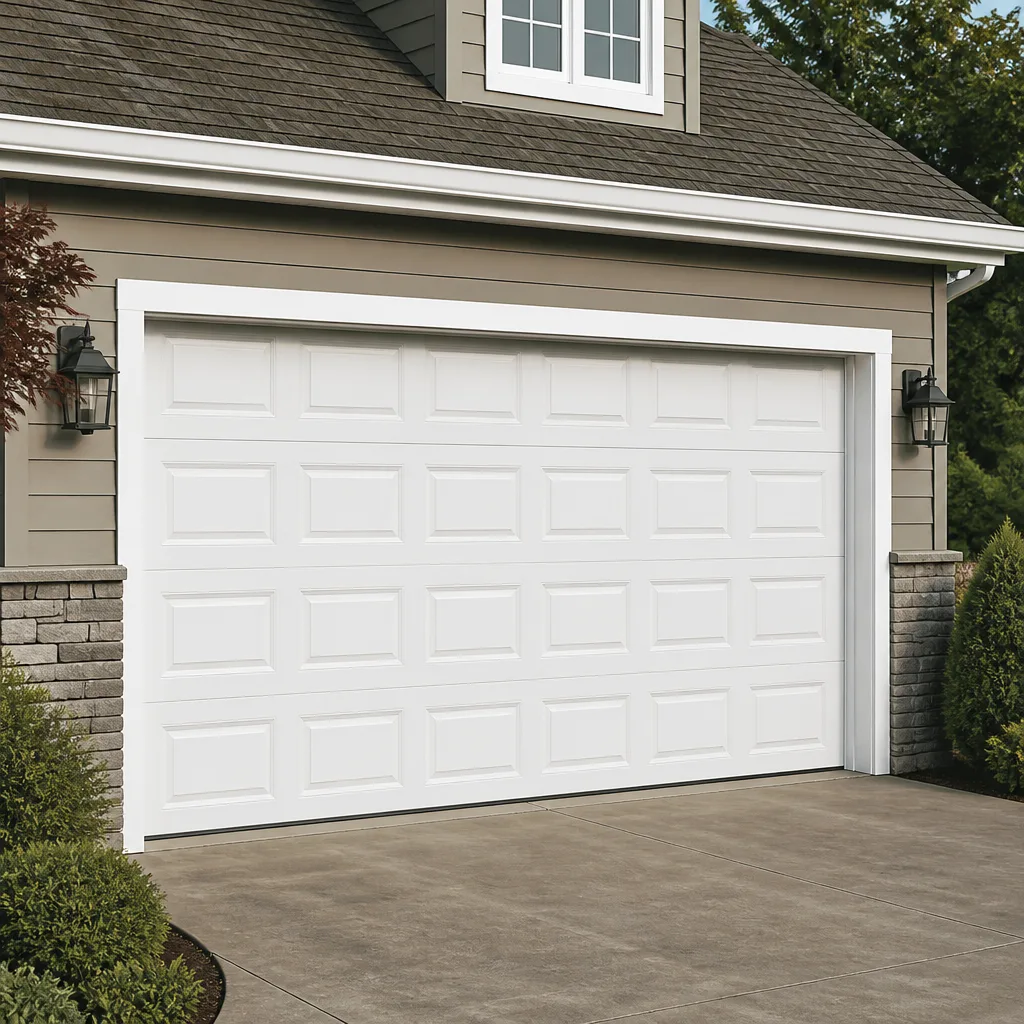 Raised-panel steel
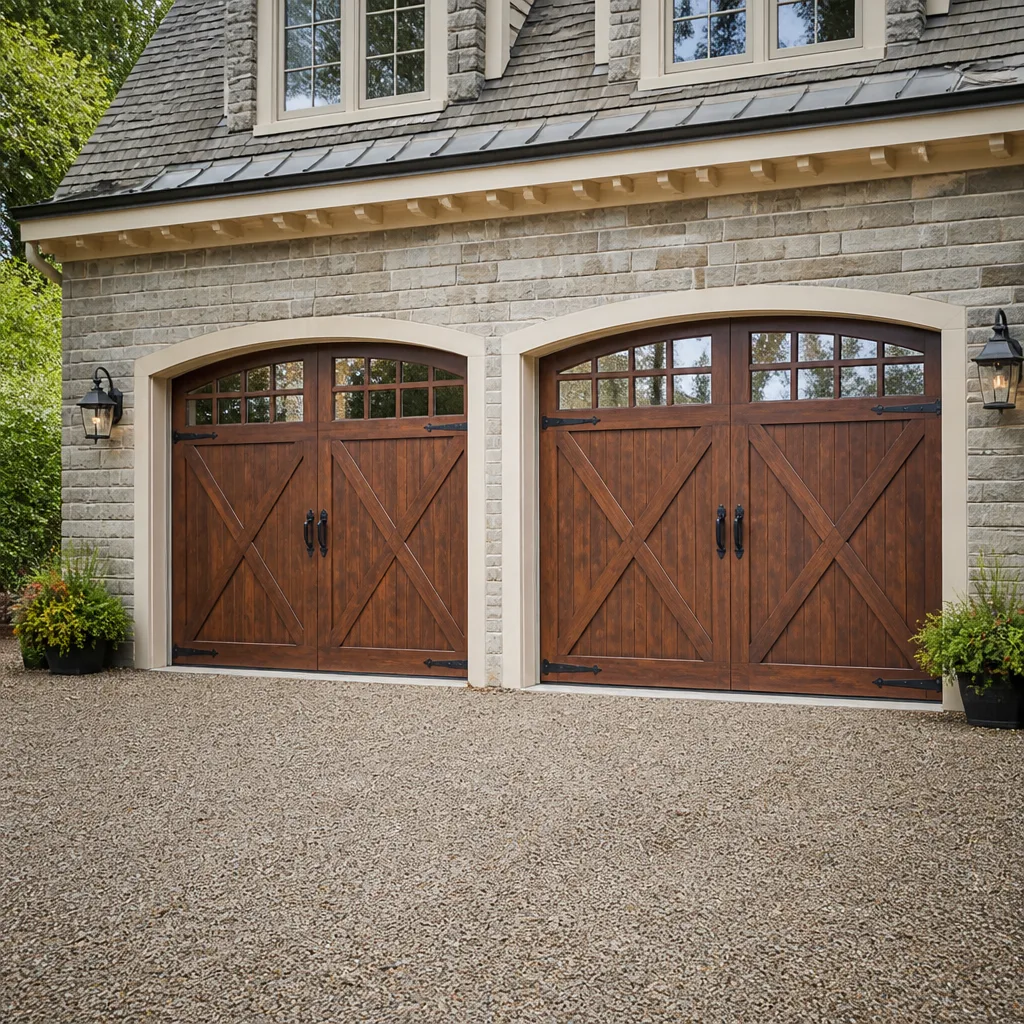 Carriage house
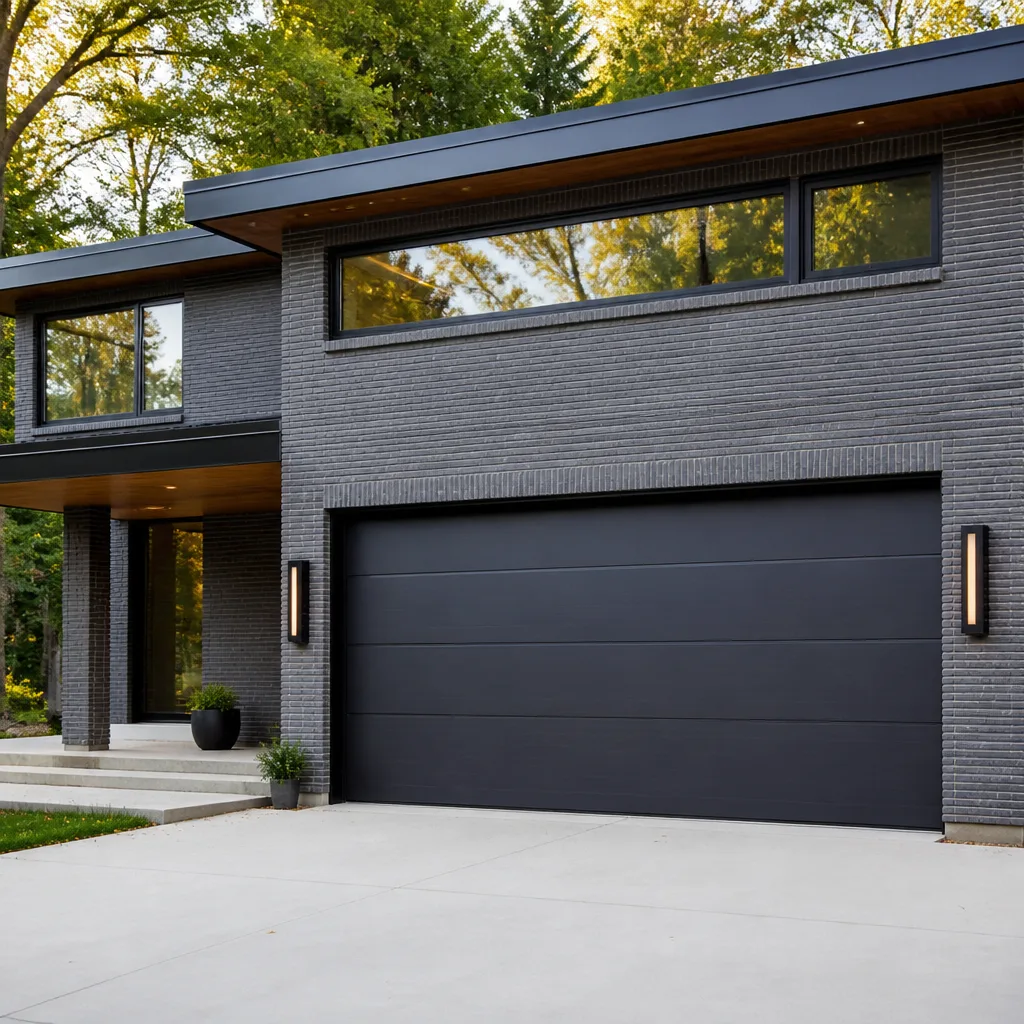 Modern flush
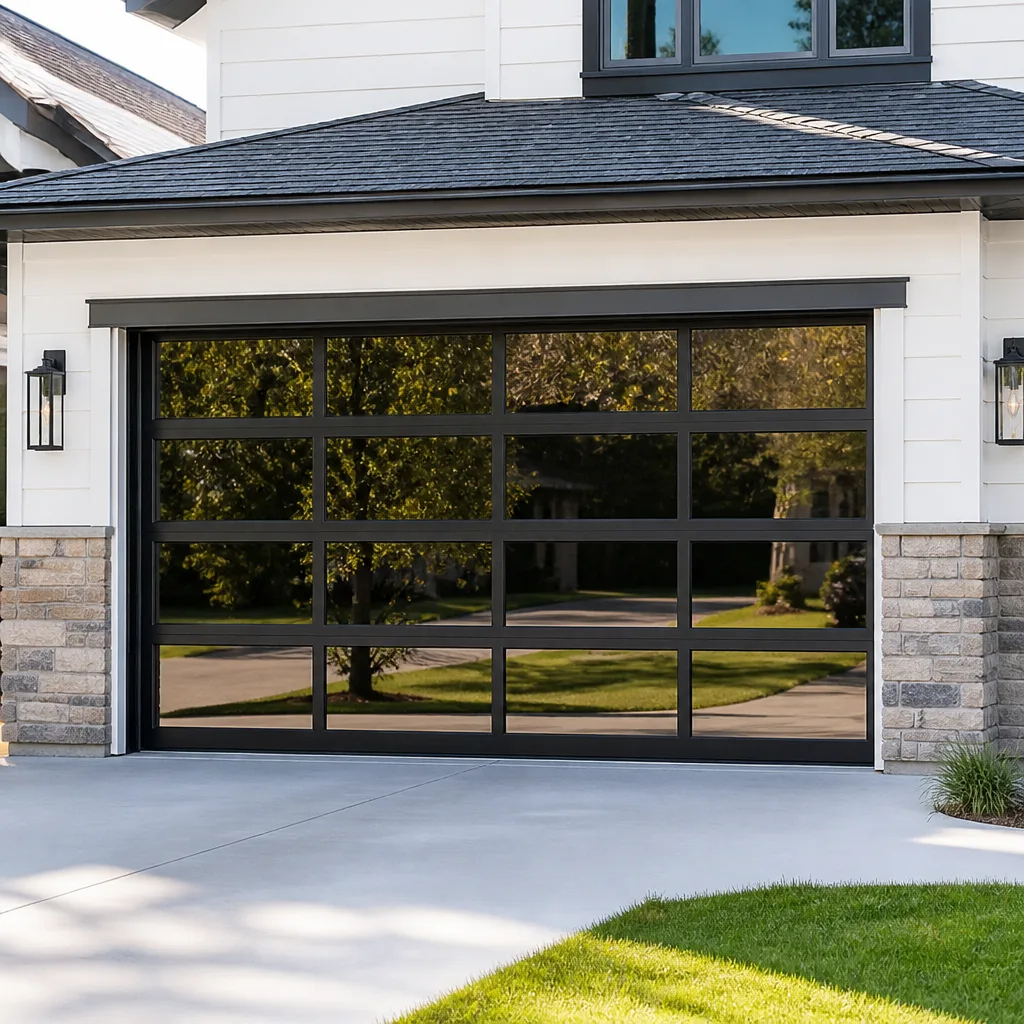 Full-view glass
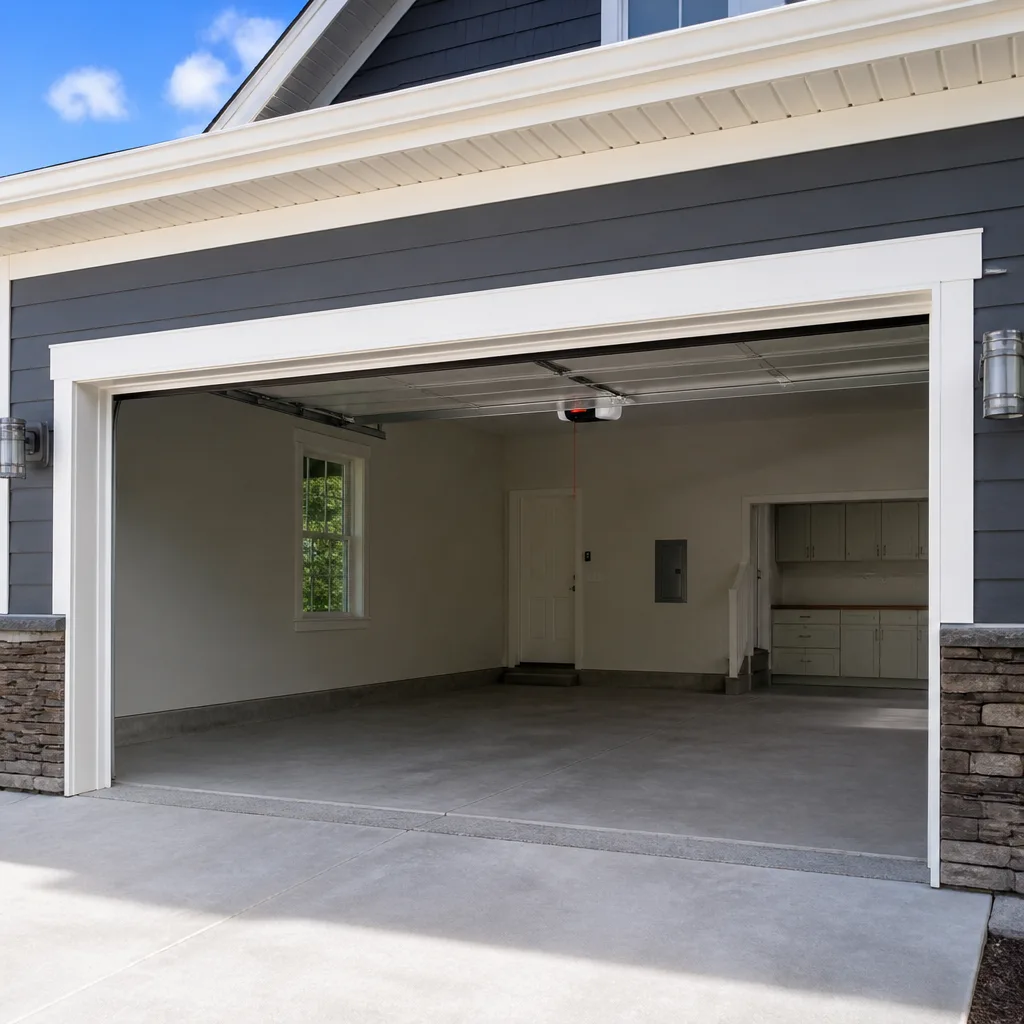 LiftMaster openers
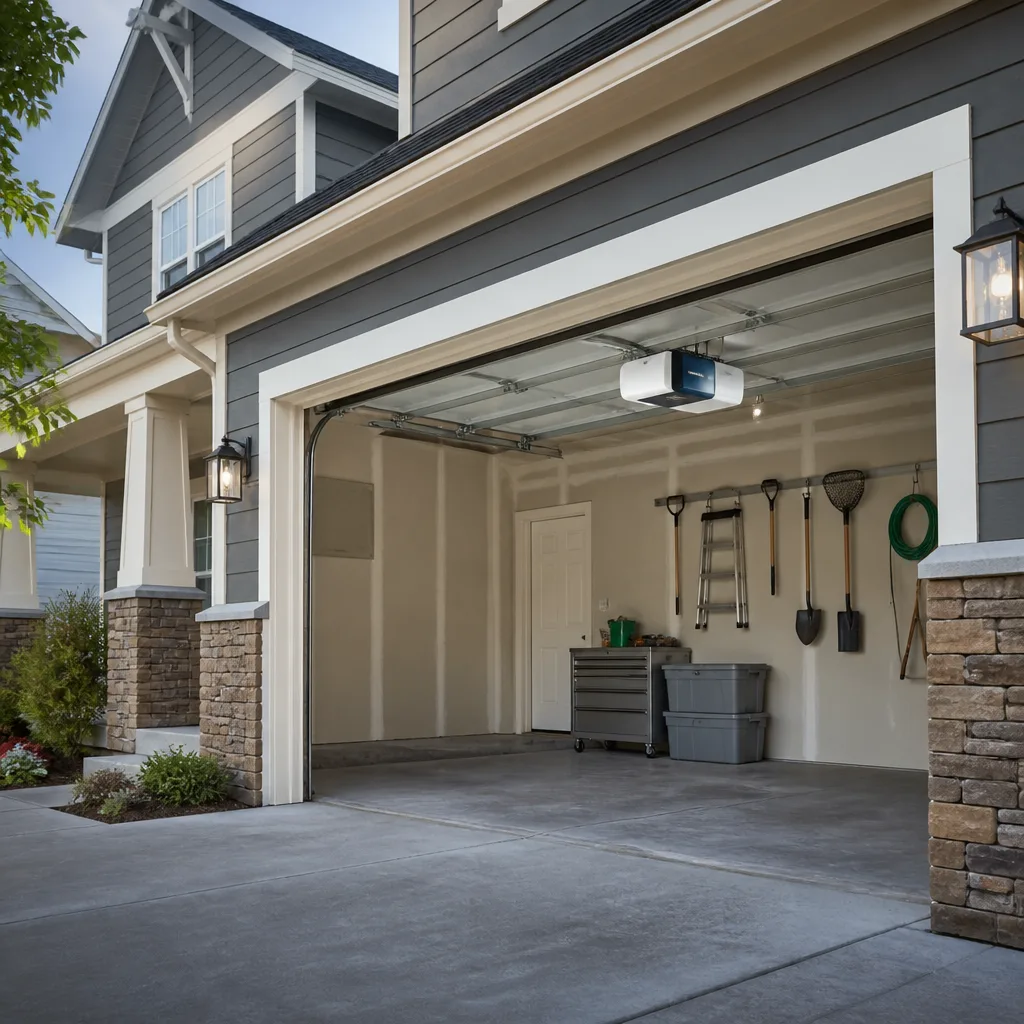 Chamberlain openers
Full 25-point door and opener safety check with every visit - springs, cables, rollers, tracks, and your LiftMaster or Chamberlain opener included
You get a price before we start. It does not change when the pro arrives.
Get your free estimateGarage Door Warning Signs: A Gaithersburg Homeowner’s Reference Guide
Most garage doors don’t fail without notice. They complain first. A door that’s about to snap a spring usually groans for weeks beforehand, and an opener heading for burnout starts reversing for no clear reason long before it quits entirely. The problem is that nobody has ever told homeowners what those complaints actually mean. A grinding sound gets written off as “normal for an older door.” A small gap at the bottom gets ignored until the door won’t close at all. In a Gaithersburg winter, with temperatures swinging between freezing mornings and mild afternoons, that denial costs money. This guide walks you through what your door is trying to tell you, mapped to the part that’s actually failing.
Quick Answer
Garage door warning signs fall into three groups: sounds (grinding, popping, squealing, rattling), visual cues (uneven gaps, visible cable slack, rust on springs), and behavior changes (slow response, unexpected reversing, sagging on one side). Grinding and popping usually point to rollers, hinges, or a failing torsion spring. Visible cable slack or rust streaks under a spring mean stop using the door and call a professional. Any door that sags or reverses without obstruction needs the same response. Catching these signals early is what separates a quick repair from a full door replacement.
Styles & brands we work with
- Raised-panel steel
- Carriage house
- Modern flush
- Full-view glass
- LiftMaster openers
- Chamberlain openers
Table of Contents
- The Audio Guide: What Each Sound Is Telling You
- Visual Warning Signs You Can Spot From the Car
- Behavioral Warning Signs and What They Mean
- Urgency Tiers: Schedule This Week or Stop Using the Door Now
- The Monthly Safety Test That Catches Most Problems Early
- How Gaithersburg Weather Accelerates Wear
- Why Brand Matters in Diagnosis
- Maintenance That Prevents Most Failures
The Audio Guide: What Each Sound Is Telling You
Your door has a vocabulary. Once you learn it, you can describe the problem accurately enough on the phone that a technician arrives already knowing which parts to bring. That cuts a repair visit down to a single trip in most cases. The four sounds below cover the overwhelming majority of garage door complaints we hear from Gaithersburg homeowners, and each maps to a specific component.
Grinding
Grinding is the most common and the most misread. When a door grinds as it opens or closes, the sound almost always comes from the rollers riding in the track. A steel roller with a worn bearing no longer spins freely; it drags, metal on metal, and grinds against the track. In our experience, a grinding roller that goes unaddressed has roughly two months before it seizes outright and jams the door mid-track. That turns a small parts replacement into a stuck-door emergency.
Popping
A sharp pop, usually one loud crack per door cycle, is a torsion spring problem. The spring coil is winding and unwinding on itself with each open and close; when the metal develops a flaw or the coil binds, you hear it snap as it releases. A pop that happens at the same point in every cycle is your door telling you a spring is stressed and failing. This is one of the signals that moves straight to the stop-using-it tier below.
Squealing
High-pitched squealing is usually friction. The most likely culprits are the rollers again (dry bearings), the hinges, or the torsion spring itself if it has lost lubrication and is winding dry. Squealing is less urgent than popping or grinding, but it’s an early signal. Deal with it and you avoid the seized roller or scored spring down the line.
Rattling
Rattling during operation is a looseness sound. Loose hinge bolts, loose panel fasteners, or a chain-drive opener with excess slack all produce it. A rattling Craftsman or LiftMaster chain-drive opener often just needs tension adjustment; a rattling door with loose hinges needs fasteners torqued and the panels checked for alignment. Left alone, rattling hardware works itself looser.
Visual Warning Signs You Can Spot From the Car
Sounds require you to be listening. Visual signs you can check in ten seconds before you pull out of the driveway. Three of them are worth knowing cold, because two of the three mean stop using the door.
Uneven Gaps at the Bottom or Sides
A door that looks closed but leaves a gap at one corner has a cable or track problem. Cables on the left and right are meant to lift in balance; when one cable stretches or starts to fray, the door tilts and gaps appear. A gap you can see daylight through is a security gap as well as a mechanical symptom. Track the door from the side and see whether the bottom seal sits parallel to the floor. If one side rides high and the other touches down, the two sides have lost their balance.
Visible Cable Slack
Cables should be under tension at all times. Slack in a lift cable means a cable has stretched, slipped its drum, or started to fail at a fitting. A slack cable is dangerous, because when it goes it whips. Do not touch it, do not try to re-tension it, and do not cycle the door. A cable that snaps on a high-tension door is the kind of failure that injures people who happen to be standing nearby, and it’s one reason we treat cables and springs as strictly professional work.
Rust Patterns on Springs
Rust on a torsion spring is not cosmetic. Gaithersburg humidity in summer and freeze-thaw moisture in winter both work on spring steel, and rust pits the metal surface. The pits become stress points, and a spring fails at its weakest point. Run your eye along the spring above the door header: streaks of rust or a visible orange line mean the spring is losing structural integrity. That earns a call, not a wait-and-see.
Behavioral Warning Signs and What They Mean
The third family of signals is behavioral. The door still works, but not the way it used to. These change slowly enough that homeowners adapt without noticing, which is why they’re easy to miss.
- Slow response to the remote or wall button. A second or two of delay is normal. A five-second pause, or a remote that only works two feet from the door, points to opener electronics, a failing logic board, or a weak remote battery. Genie and Chamberlain systems show slightly different delay patterns, which is why we ask for the brand and model before we arrive.
- The door reverses unexpectedly. Without an obstruction, the door should never reverse. When it does, the safety sensors or the opener’s travel limits are the cause. Overhead doors reversing on their own are a top call-out in Gaithersburg, and a quick sensor re-alignment or travel limit reset usually fixes it.
- The door sags on one side while opening. A one-sided sag points to a failing torsion spring, a stretched extension spring, or uneven cable tension. This is a balance problem, and an unbalanced door burns out openers. Do not keep cycling it while it sags.
- Door lurching or moving erratically. Lurching is almost always a seized roller or a track that’s bent or out of alignment. Left to run, a lurching door accelerates wear on every other component.
- Openers straining to lift. A loud, struggling opener isn’t an opener problem. It’s the door getting heavier because a spring has lost tension. The opener is telling you about the spring.
Urgency Tiers: Schedule This Week or Stop Using the Door Now
Every warning sign belongs in one of two tiers. Learning which tier your symptom sits in is the practical value of this whole guide. When in doubt, treat the symptom as Tier 2.
Tier 1: Schedule This Week
- Grinding or squealing during operation
- Rattling or loose hardware
- Slow opener response or a remote that needs to be close
- Occasional reversal with no obstruction
- Mild rust discoloration on the spring
Tier 2: Stop Using the Door Now
- Popping sounds from the torsion spring
- Visible cable slack or a frayed cable
- The door sagging on one side or hanging off balance
- A door that reverses or stops half-open every time
- Springs showing heavy rust streaks
- A door that won’t close flush or stay down
Tier 2 signals aren’t negotiable because they involve stored energy. A high-tension torsion or extension spring holds a substantial load even when the door is down. Spring and cable work is a job for trained technicians with proper tools, not something to attempt with a ladder and a set of wrenches. Our advice: if you’re in Tier 2, park outside until a professional has inspected the door. That’s the honest recommendation, and it’s why spring replacement is core to what we do safely the first time.
The Monthly Safety Test That Catches Most Problems Early
There’s one habit that catches the majority of developing garage door problems months before they become emergencies, and it takes about five minutes. We recommend every homeowner in Gaithersburg do it once a month. It’s a balance and safety-reverse test, and it’s simple.
- Disconnect the opener. Pull the release cord so the door moves freely by hand. Do not do this on a door you already suspect is in Tier 2; test only a door that’s currently working normally.
- Lift the door halfway and let go. A properly balanced door holds position at halfway without dropping or rising. If it drops, sags, or slams down, a spring has lost tension or a cable has stretched. That’s Tier 2, so stop and call.
- Lower the door fully by hand and check the bottom seal. Run your hand along the gap between door and floor. Any daylight or draft means a seal or balance problem.
- Reconnect the opener and test the security reverse. Place a small object like a two-by-four block on the ground under the door and close it. The door should reverse on contact. If it doesn’t, the opener needs adjustment, and that’s a safety issue, not a convenience one.
- Look at the spring and cable with the door down. Twenty seconds of visual inspection. Look for rust, kinks, or slack.
Five minutes once a month is the difference between a small roller replacement and a snapped spring. It’s also a good moment to glance at the opener’s photo-eye sensors near the floor to confirm the lenses are clean and the indicator lights are steady rather than blinking.
How Gaithersburg Weather Accelerates Wear
Garage doors in Gaithersburg work through a full range of Maryland weather, and the swings matter more than the extremes. A spring that sits at 30 degrees Fahrenheit on an early December morning and 60 degrees by afternoon has to expand and contract through that range every day. Metal fatigues through cycles, not through one big event, so the shoulder seasons and the freeze-thaw stretch in late winter are when spring problems show up most.
Summer humidity is the other side of it. Damp air in June, July, and August attacks any spot on a spring or a steel hinge where the paint or lubricant has worn away. That’s why rust patterns are worth watching here more than in drier climates. Neighborhoods with mature trees around the Potomac and Seneca Creek keep moisture hanging near the house a little longer after rain, which makes a difference for hardware at the door header. Doors in older neighborhoods near Olde Towne Gaithersburg and along Route 355 tend to run on hardware that’s seen more seasons, and hardware that’s served its time fails faster in this climate than a newer door would.
One more thing: a door facing west takes the afternoon sun. The heat cycling on the panels themselves causes paint to fade and can warp a wooden or composite panel over years of direct exposure. If your door sits in full western sun, watch for panel warping as well as the mechanical signs in this guide. Cracks or splits at panel seams are worth a professional look before they widen.
Why Brand Matters in Diagnosis
Different garage door and opener brands fail in different ways, and technicians who know the brand-specific behavior diagnose faster and return less often. We work on Clopay, Amarr, Wayne Dalton, Craftsman, and the rest of the major makes because each has quirks worth knowing. A Wayne Dalton torsion system has different tension specifications than a Clopay or an Amarr, so the repair approach has to match the door. Craftsman and LiftMaster openers are related engineering but behave differently at the limit switch, and pushing the wrong adjustment can make a nuisance reversal worse.
The takeaway for a homeowner is that a technician who asks for the brand and model before arriving knows what to expect in the way of tools and parts. It’s why we ask. It’s also why the diagnostic visit is usually a single trip. For a more detailed breakdown of repair options, our garage door repair page covers the common job types in the Gaithersburg area. Opener-specific symptoms have their own guide in our garage door opener repair page, and spring work is covered in depth on our garage door spring repair page.
Maintenance That Prevents Most Failures
Very few garage door failures are truly sudden. They’re the end result of wear that nobody addressed. Routine maintenance catches most of what’s developing, and you can do a surprising amount of it yourself.
- Lubricate rollers and hinges. A little silicone-based lubricant on the roller bearings and hinge points once a season goes a long way toward stopping grinding and squealing.
- Check the door balance. The monthly test above. Listen to the door, feel the weight.
- Watch the weather seal. The rubber or vinyl seal along the bottom takes the most abuse and should be replaced when it cracks or hardens.
- Have the spring inspected professionally. A trained eye can read a spring years ahead of failure. A visual inspection while lubricating hardware can flag spring rust and stress before it cracks.
- Test the reverse function. The safety reverse should stop and reverse on contact with an object. If it doesn’t, that’s a service call.
One call covers openers, springs, panels, and full installations, so a maintenance visit usually becomes a complete inspection. We can also address Gaithersburg Garage Door Repair Pros service across the range of common problems if you’re unsure where a symptom fits.
Common Mistakes to Avoid
- Writing off grinding as normal for an older door. Grinding is a specific symptom of a worn roller or an unbalanced door, and the two months of warning it gives you are the cheapest window to fix it.
- Spraying WD-40 on a torsion spring. It’s the wrong lubricant for the job, and it can attract grit and accelerate wear on the spring. Silicone or a proper spring lubricant is the right product. A spring that needs lubing that badly is often a spring that needs a technician’s look.
- Adjusting spring tension yourself. This is where people get hurt in Gaithersburg and everywhere else. High-tension torsion and extension springs are a professional job, not a weekend project.
- Ignoring a slack cable because the door still works. Slack means the cable has failed on one side, and the door has one more cycle before the cable can snap. A snapped cable causes real injury and turns a repair into a full replacement.
- Calling the wrong trade. General handymen often decline spring or cable work because of the safety risk. Asking the brand question up front avoids a wasted visit.
- Choosing the cheapest bid on a spring replacement. The quote should reflect matched springs, safe tensioning, and a clear written estimate. A cut-rate quote that replaces one spring on a matched pair leaves you back here in a few months.
- Skipping the monthly balance test. It’s five minutes and it catches most developing failures. Skipping it is the most common preventable mistake we see.
See the difference
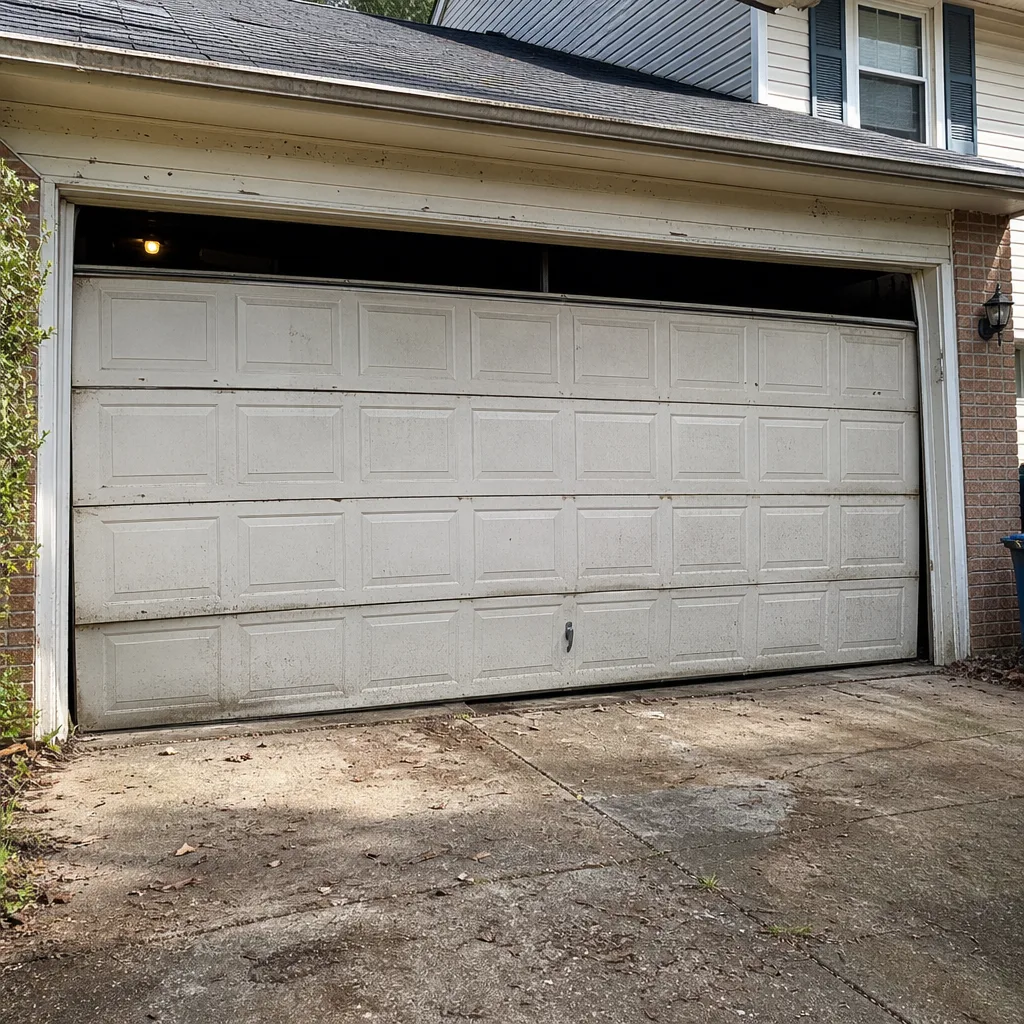 Before
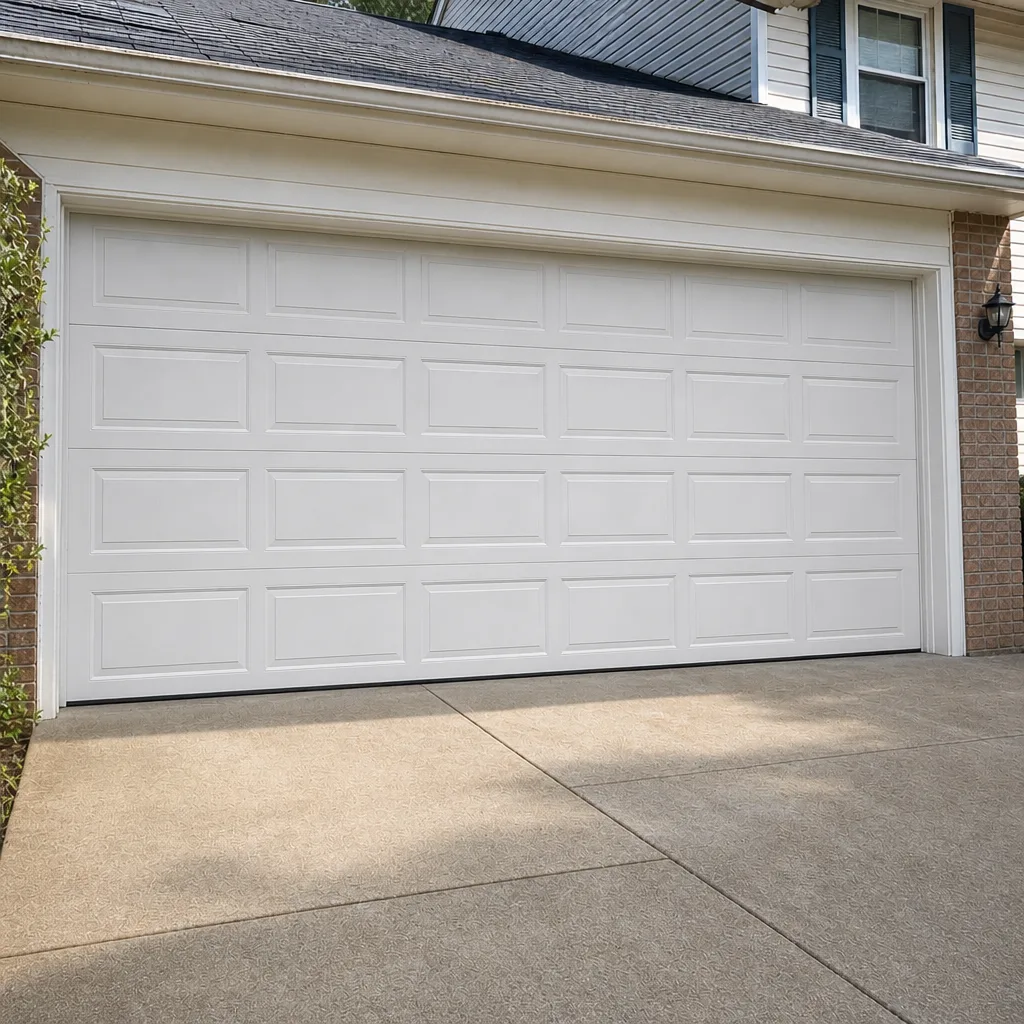 After
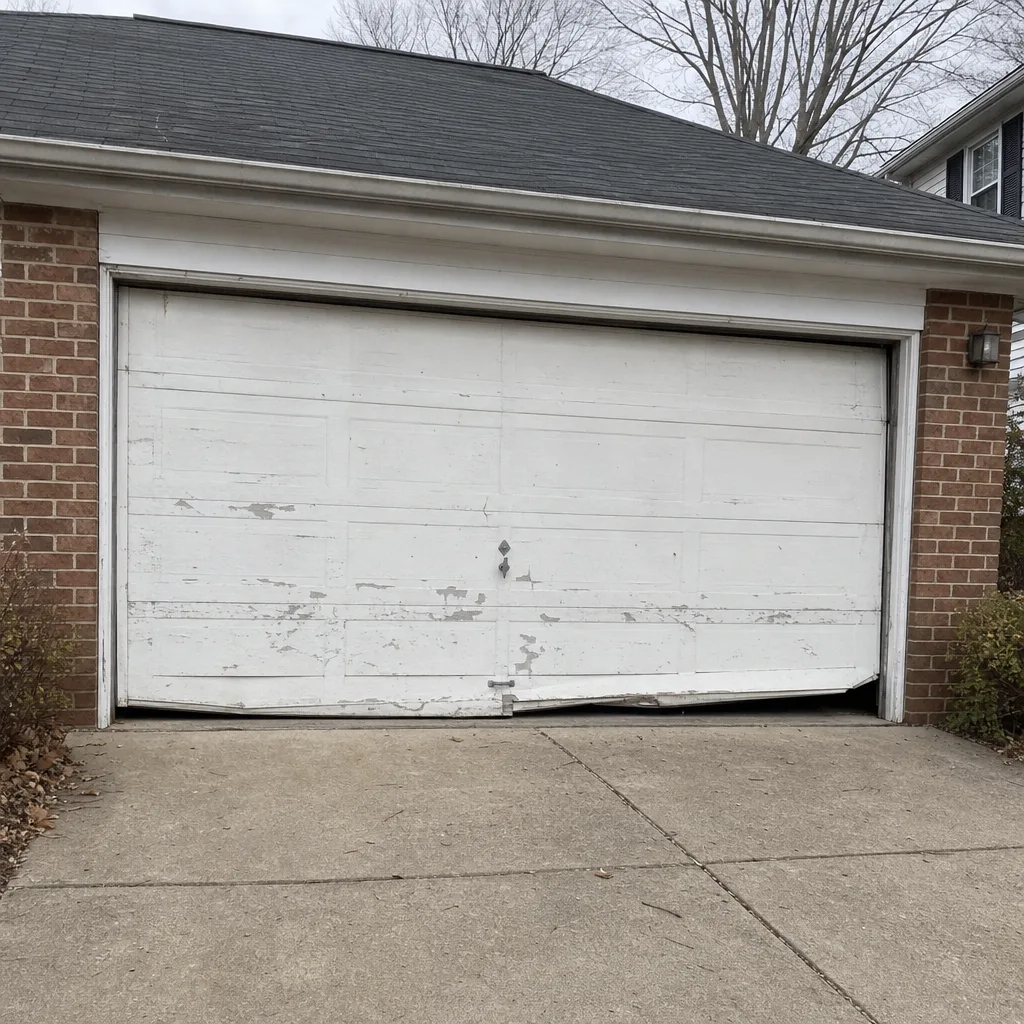 Before
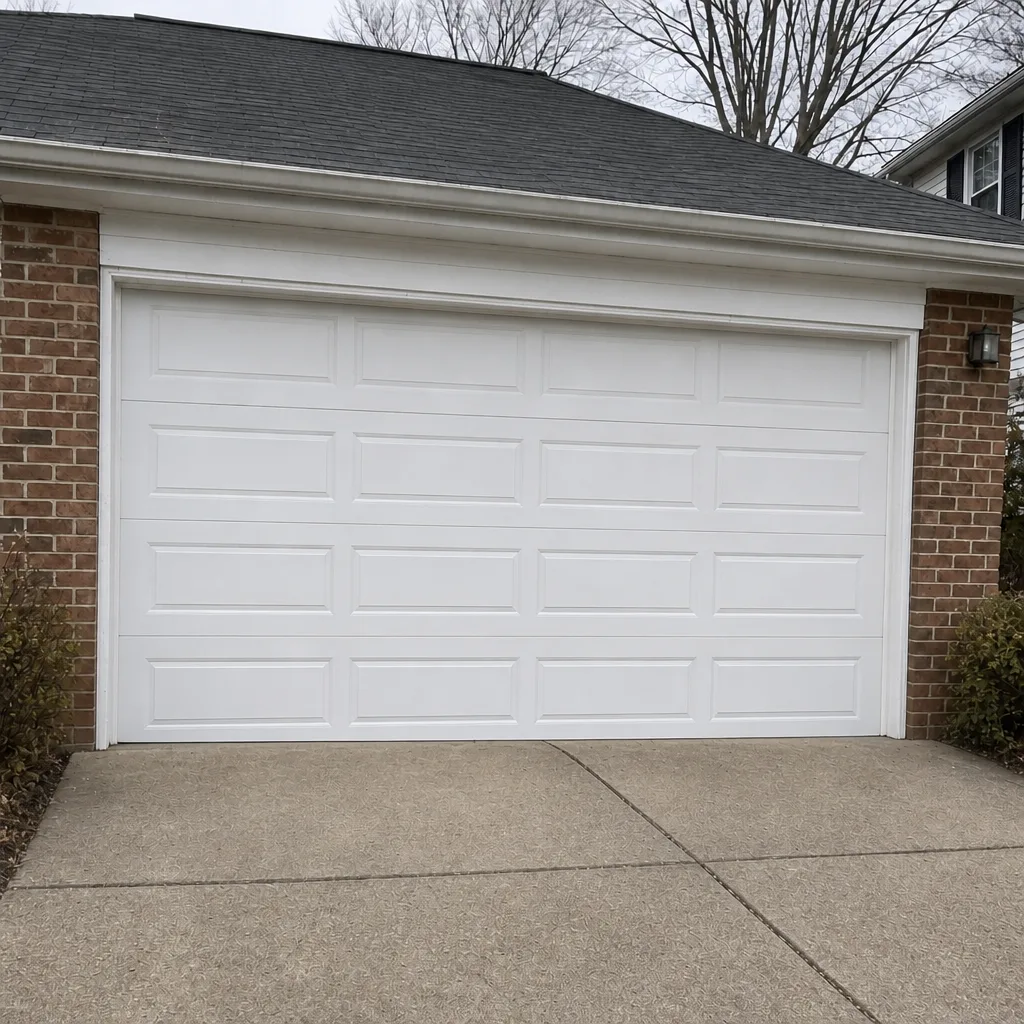 After
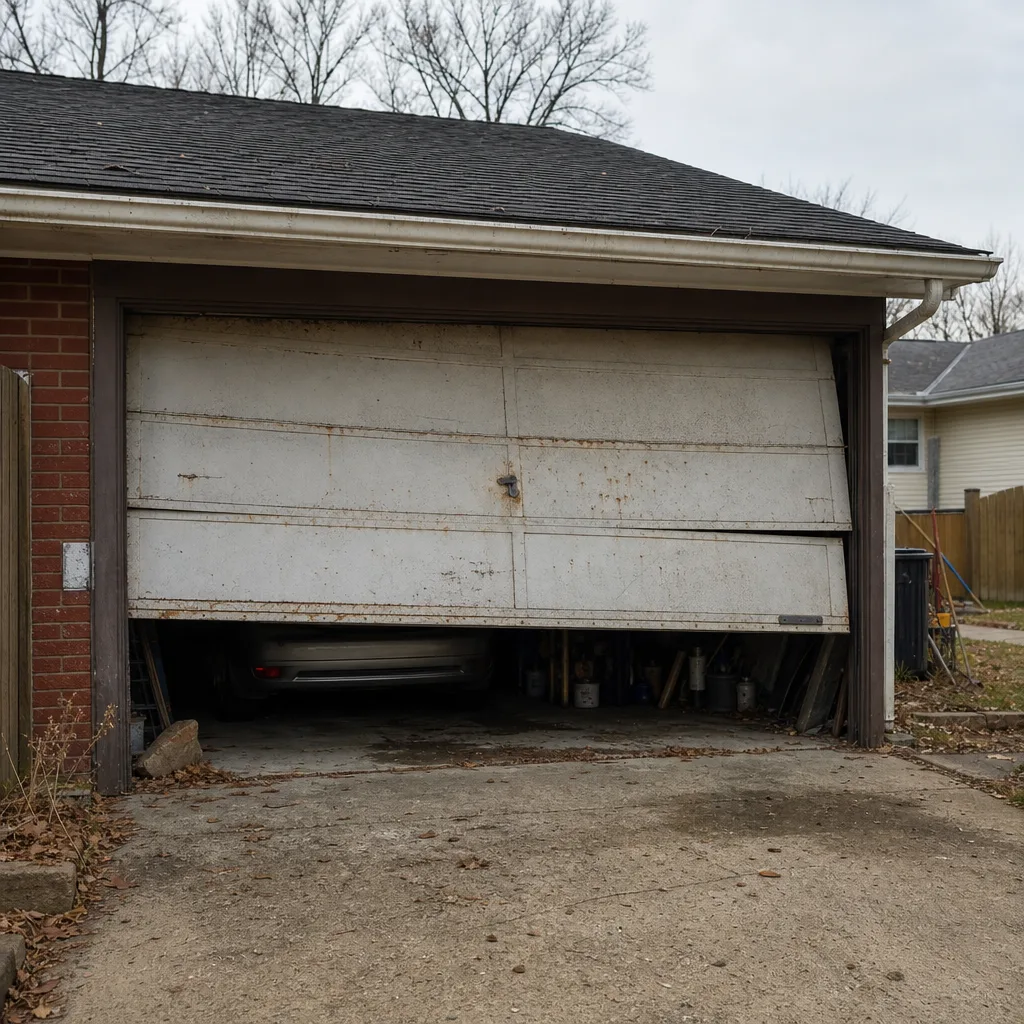 Before
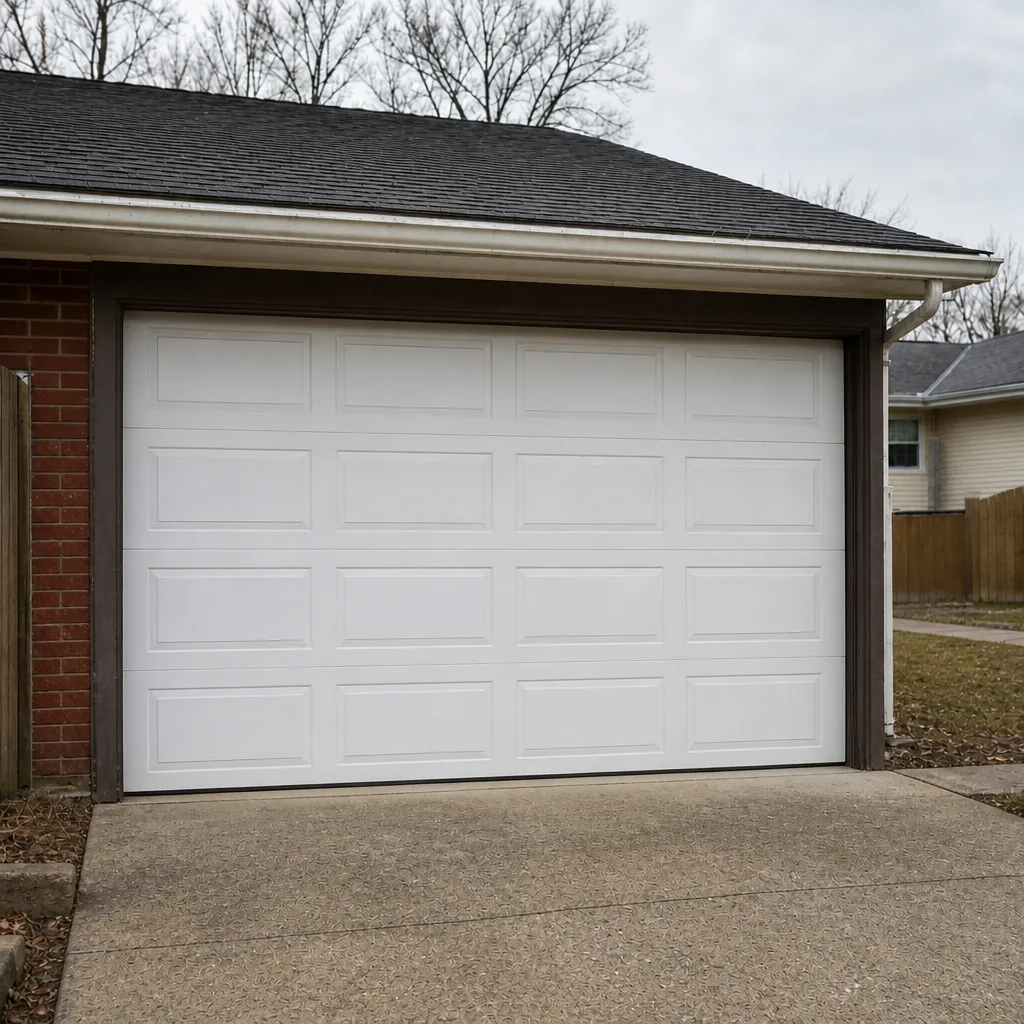 After
When to Call a Professional
Call a professional the moment you see a Tier 2 sign, the moment you see cable slack or spring rust, and the moment your door behaves differently than it did last week. Don’t try to diagnose a high-tension spring with your hands. Don’t cycle a door that’s hanging off balance. Don’t ignore a snapping or popping sound. Gaithersburg Garage Door Repair Pros offers free estimates in Gaithersburg, and our technicians have up to 12 years of experience on spring systems, opener electronics, and full installations. We answer 24/7. Call (888) 891-0141. Fast dispatch from 7am to 7pm, Sunday through Friday. The written estimate comes before any work starts, and the quoted price is the price. Call first; a five-minute diagnosis on the phone often saves you a week of guessing.
Frequently Asked Questions
Grinding during operation is the most common sign, and it usually points to a worn roller or an unbalanced torsion spring. The sound is the door’s earliest clear signal that something in the roller and spring system needs attention. Catch it early and it’s a small repair rather than a jammed door.
Lubricating rollers and hinge points is a reasonable DIY task, but any grinding that persists after lubrication means a worn or seized roller, and that’s a replacement job. Replacing rollers is straightforward for a technician and risky for a homeowner working around a tensioned spring system. We can diagnose by sound over the phone and come prepared.
Use the urgency tiers in this guide. If the door sags, pops, shows slack cable, or reverses unexpectedly, stop using it and call a professional. If the only issue is grinding or squealing, you can schedule a repair this week while keeping use to a minimum.
Once a year is a good rule for most Gaithersburg homes, and the monthly balance-and-reverse test fills in between. A technician inspection catches spring fatigue, cable wear, and opener travel limits that you can’t see. Doors on older homes near Olde Towne Gaithersburg carry more wear and may need a closer look.
Unexpected reversal almost always means the safety sensors are misaligned or dirty, or the opener’s travel limits are off. It’s rarely an opener motor problem. A technician can re-align the sensors and reset the limits in a single visit, and we can talk through whether it’s a LiftMaster or Genie model over the phone.
Yes, and we recommend replacing a matched pair together. If one spring on a pair has failed, the second is the same age and under the same wear. Replacing both at once avoids a second failure in the near future. The written estimate sets the final price, and we do not begin work until you approve it.
The Bottom Line
Your garage door is a system of springs, cables, rollers, and an opener that spends most of its life working quietly. It complains before it fails: grinding rollers, popping springs, slack cables, a sag on one side. The signs are there if you know what to look for. Check the door once a month with the balance test, watch the spring for rust, listen for the four sounds in this guide, and treat Tier 2 symptoms as a stop signal. Gaithersburg Garage Door Repair Pros works on all the major brands and can diagnose by brand and model over the phone. We answer 24/7. Call (888) 891-0141 for a free estimate. Fast dispatch from 7am to 7pm, Sunday through Friday. The written estimate comes first; the price is set per job and doesn’t change after you approve it.
Written by the team at Gaithersburg Garage Door Repair Pros.