
Last updated November 23, 2026
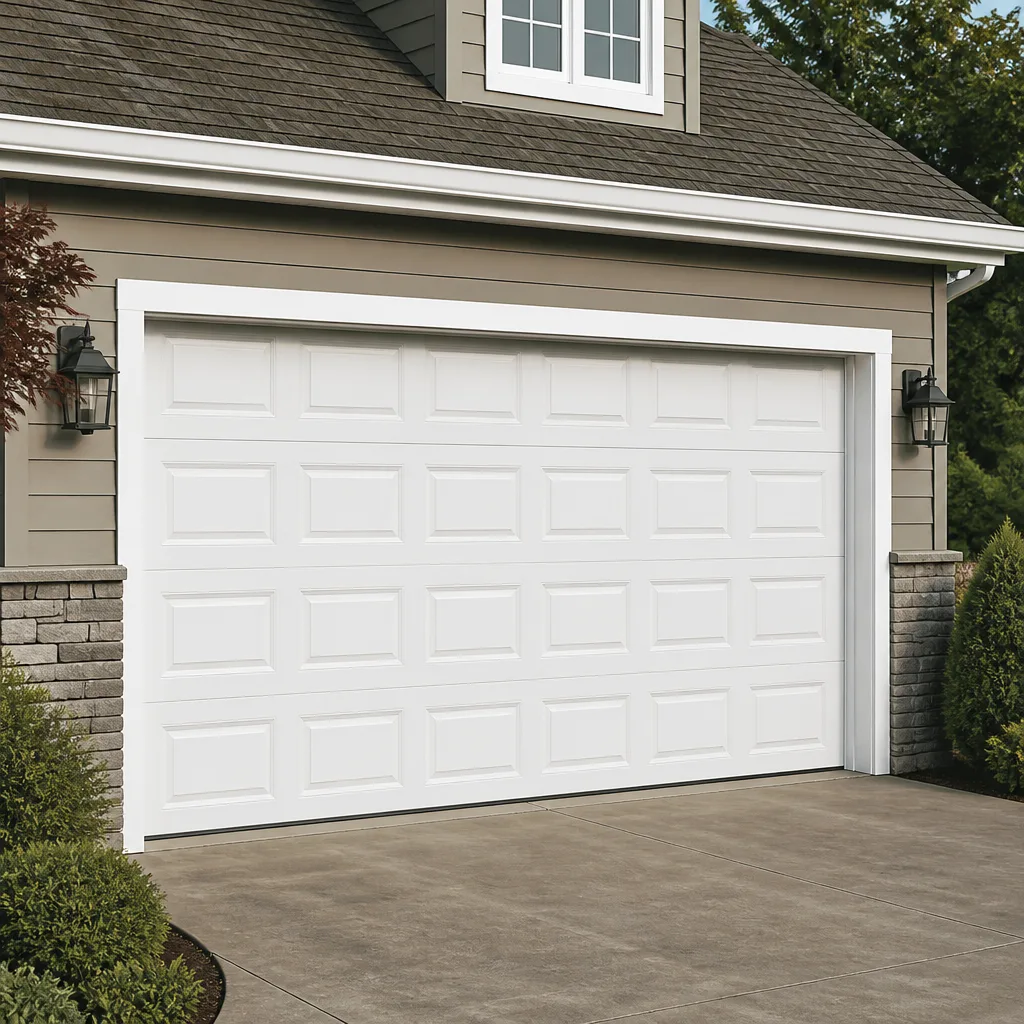 Raised-panel steel
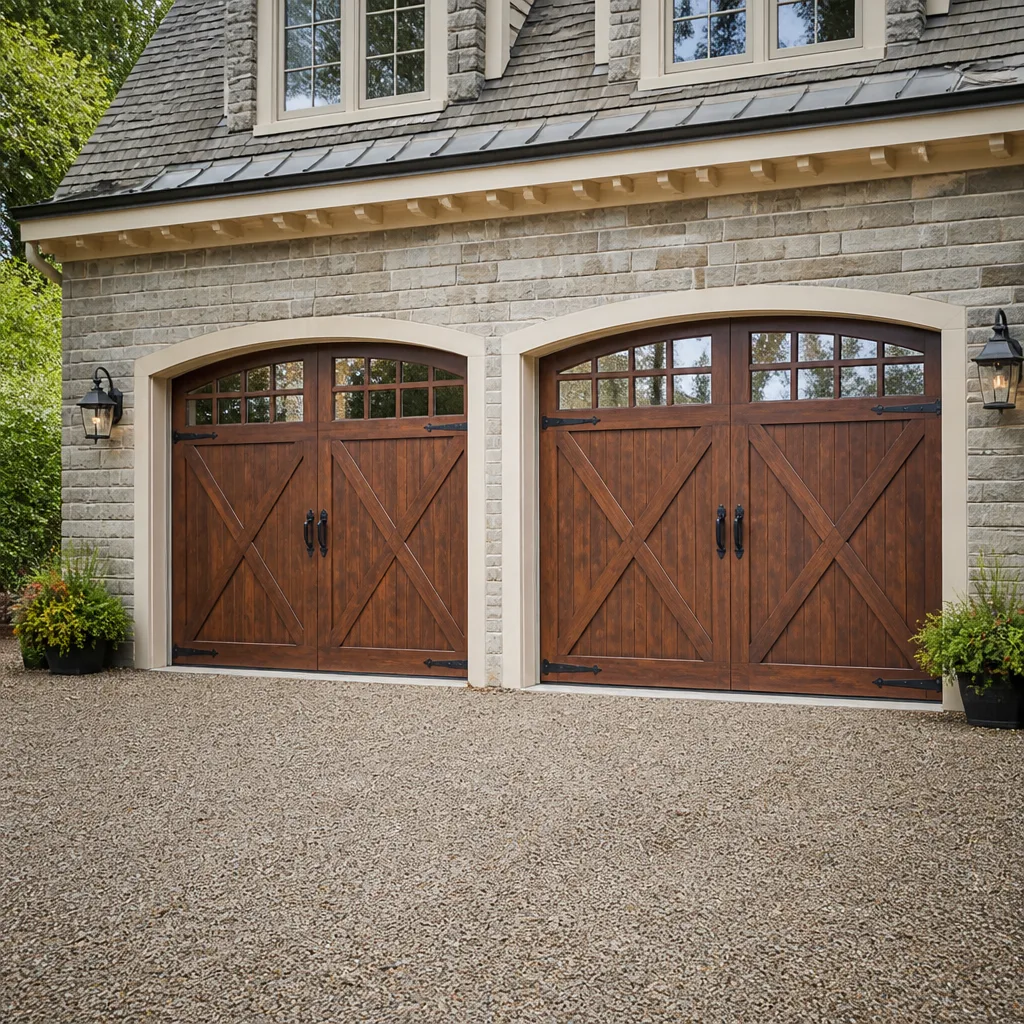 Carriage house
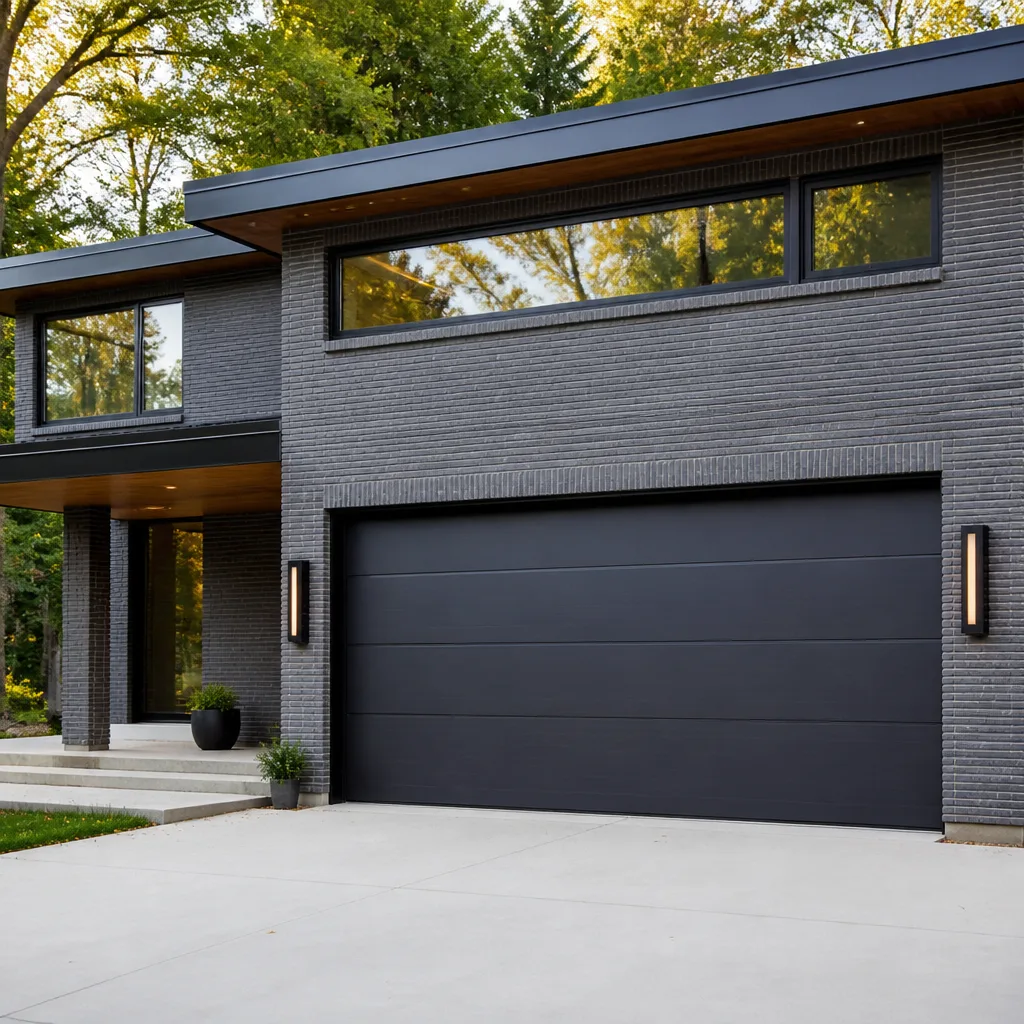 Modern flush
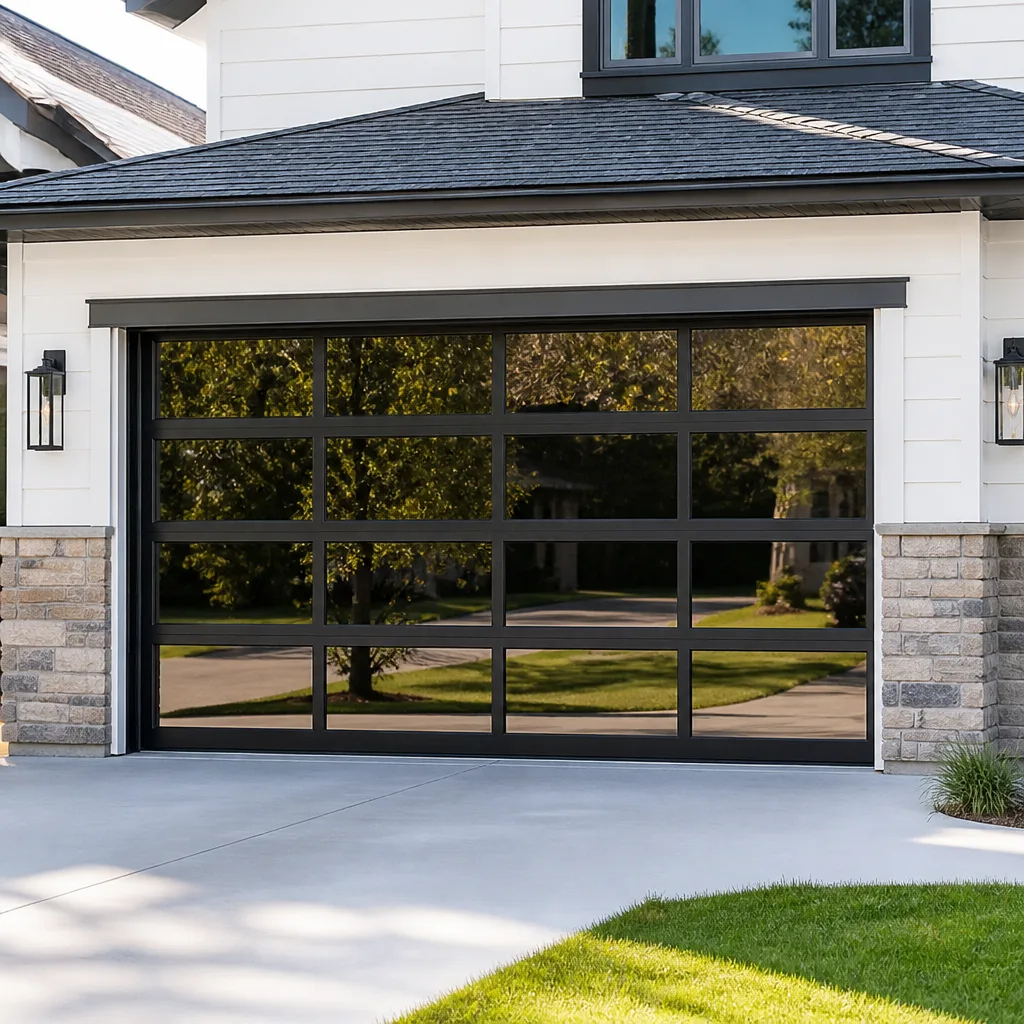 Full-view glass
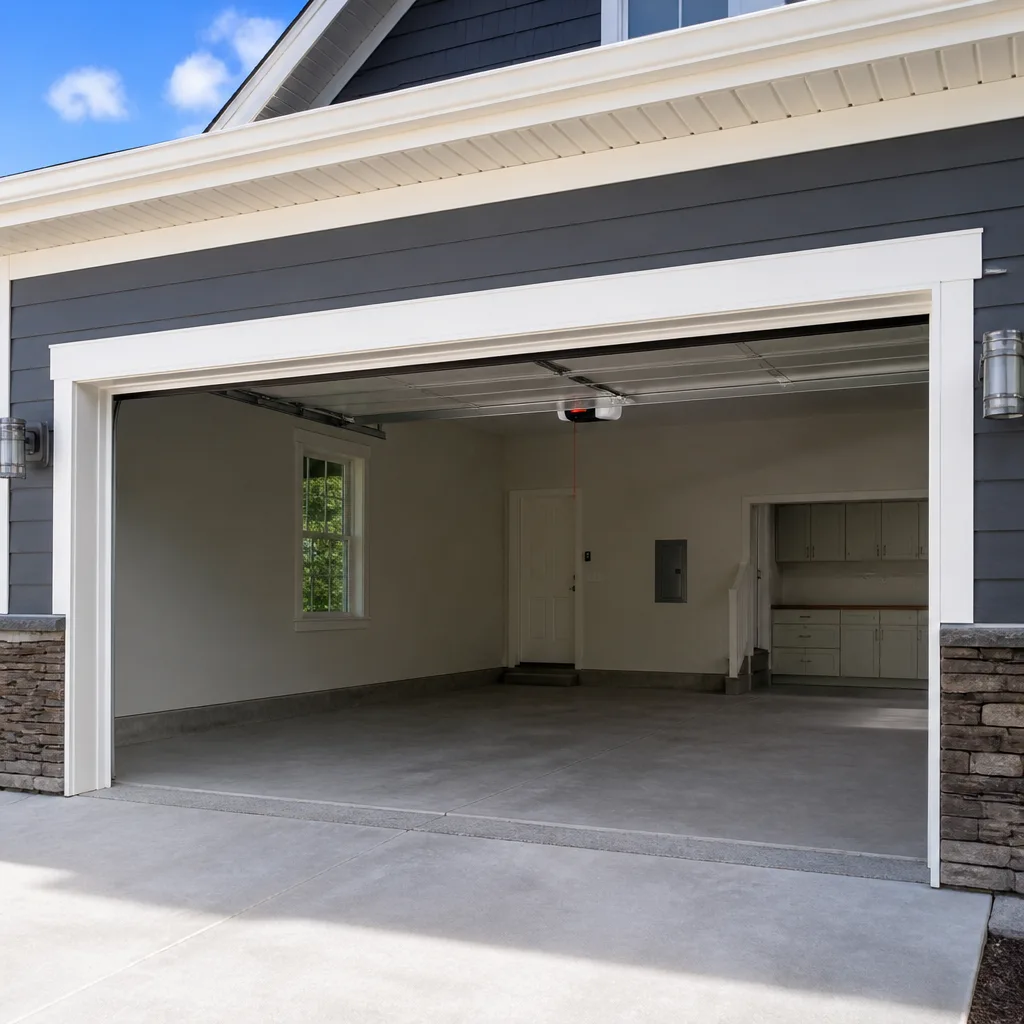 LiftMaster openers
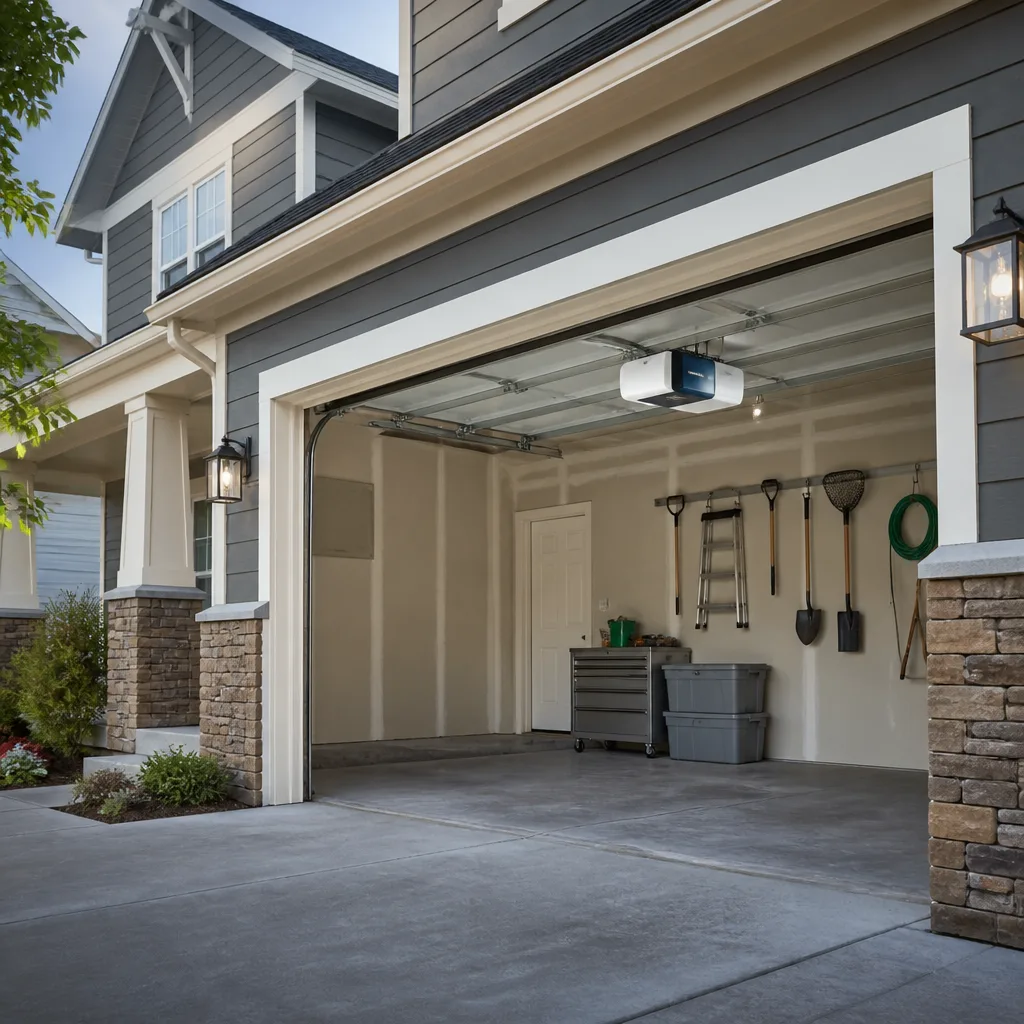 Chamberlain openers
Full 25-point door and opener safety check with every visit - springs, cables, rollers, tracks, and your LiftMaster or Chamberlain opener included
You get a price before we start. It does not change when the pro arrives.
Get your free estimateThe Complete Guide to Garage Doors in Gaithersburg
Most people think a garage door fails suddenly. It doesn’t. It wears out slowly, quietly, through hundreds of small cycles a year, until the morning it stops halfway up and refuses to move. Here’s the part few homeowners realize: a large share of the doors in this city were installed decades ago and are still running on original springs, rollers, and openers that were never built to last this long. What determines whether you get a cheap fix or a costly surprise is knowing where the failure points are before they fail. This guide covers everything specific to Gaithersburg: the housing stock, the HOA rules in planned communities, Maryland permit questions, which brands and parts you can actually get nearby, and what local labor really costs. By the end, you’ll know how to make a smart decision about your door, whether it’s a snapped spring or a full replacement.
Quick Answer
Garage door problems in Gaithersburg usually come down to worn springs, aging openers, or doors installed during the city’s main building booms between 1970 and 2000 that are now well past their expected service life. Repair costs typically run from a couple hundred dollars for a single spring or opener fix up to a few thousand for a full door replacement, and the exact price depends on your door’s brand, size, and what’s actually broken. A written estimate before any work starts is the only number that matters.
Styles & brands we work with
- Raised-panel steel
- Carriage house
- Modern flush
- Full-view glass
- LiftMaster openers
- Chamberlain openers
Table of Contents
- How Gaithersburg’s Housing Eras Decide What Your Door Needs
- HOA Rules in Lakelands, Kentlands, and Other Planned Communities
- Do You Need a Permit to Replace a Garage Door in Maryland?
- Which Brands and Parts You Can Actually Get Nearby
- What Garage Door Work Costs in Gaithersburg
- How Local Weather and Temperature Swings Affect Your Door
- Why Springs Are the One Part You Should Never Touch Yourself
- Repair or Replace? A Decision Framework
How Gaithersburg’s Housing Eras Decide What Your Door Needs
The single most useful thing you can know about your garage door is when your house was built. Gaithersburg grew in distinct waves, and each wave used different door construction, different opener technology, and different installation standards. A door from a 1970s subdivision and a door from a 2010s HOA community are practically different species.
Pre-1980 tract homes. These doors are often single-car or narrow double-car wood or early steel units. Many still have extension springs (the ones that stretch along a track above the door) rather than torsion springs. Openers, if original, are chain-drive units with simple wall switches and no safety reversing sensors. The hardware is decades old and the rollers are frequently the original steel, which wears flat and makes the door noisy and hard to lift by hand. If you own one of these homes, the failure points are the springs, the rollers, and the opener logic board.
1980s and 1990s subdivisions. This is the largest slice of Gaithersburg’s housing stock, and it falls right into the era when torsion springs, sectional steel doors, and safety-sensor openers became standard. A door from this period has usually had its springs replaced at least once and may be on its second opener. The panel skins are often thin, and dents from a bumped car or a misjudged backing-out show up clearly. These doors are usually worth repairing rather than replacing, provided the panels and tracks are straight.
2000s and newer HOA developments. Doors here are wider, taller (often 8 feet instead of 7), insulated, and paired with modern belt-drive or jackshaft openers. Compatibility matters more: a new opener has to match the door’s weight and the existing safety-sensor wiring. These systems are reliable, but when a component fails, the fix needs to match the specific brand rather than a generic replacement part.
Knowing your era tells a technician where to look first. It’s also why we ask for your address and door photos before we arrive. Our technicians have up to 12 years of experience, and they diagnose by brand and by build era rather than by assumption. If you want a fast read on your own door, start with our garage door repair page, which lays out the most common failure patterns by symptom.
HOA Rules in Lakelands, Kentlands, and Other Planned Communities
If you live in Lakelands, Kentlands, or one of Gaithersburg’s other planned communities, the biggest obstacle to a new door usually isn’t budget or availability. It’s the architectural review. These communities were designed with a consistent streetscape in mind, and that means your garage door style, panel pattern, and color are typically governed by a design standard the HOA manages.
What that means in practice:
- Get the design guidelines before you shop. The approved colors, panel configurations, and window options are usually documented. Choosing a door that doesn’t match means submitting for a variance or replacing it again.
- Submit your request early. Architectural review takes time, and a door order placed before approval can leave you stuck if the HOA says no. Build that step into your schedule.
- Understand what’s “like-for-like.” Replacing a door with the same style and color as the original is often simpler to approve than switching to a carriage-house or modern panel look.
- Repairs usually don’t need review. Replacing a spring, an opener, or a single damaged panel typically doesn’t trigger architectural review, but confirm with your HOA if the repair changes appearance.
Neighborhoods like Kentlands also have alleys and detached garages, which change the access and clearance considerations for installation. A technician who works in Gaithersburg regularly understands these layouts and can flag an access problem before the install day. The communities on the newer side of the city were often built with specific door and opener brands specified by the builder, and matching those brands avoids approval headaches and compatibility issues.
Do You Need a Permit to Replace a Garage Door in Maryland?
This is one of the most-asked questions we hear, and the honest answer is: it depends on your jurisdiction and the scope of the work. A full door replacement is a structural change to a home’s opening and enclosure, and many Maryland jurisdictions treat it as a permitted alteration. A repair to an existing door, like a spring, cable, roller, or opener replacement, is typically not a permitted activity.
Rather than guess, call your city’s building department and describe the exact job. Ask two specific questions:
- Does replacing a garage door require a permit in this jurisdiction? Give them the address and the door size.
- If a permit is required, what inspections apply and who pulls it? In many areas the licensed installer pulls the permit and schedules the inspection as part of the job.
Where homeowners get into trouble is assuming “it’s just a door” and skipping the step. A permit is often cheap and the inspection is quick, but the hassle of an unpermitted improvement at resale is real. If your project is a straight replacement, ask your contractor to confirm the permit situation in writing as part of the estimate. We can point you to the right department to call, and the local professional who performs the work is licensed and insured as their state requires. For repair-only work, our garage door repair team can usually tell you right away whether your job is a repair or a replacement, which is the first thing the building department will ask.
Which Brands and Parts You Can Actually Get Nearby
Not every door or opener is equally easy to fix in Gaithersburg. Some brands are stocked widely and parts are a phone call away. Others require special orders that can stretch a straightforward fix into a multi-week wait. Knowing which side of that line your door falls on helps set realistic expectations about timing.
The brands we work on most often, and what their footprint looks like locally:
- LiftMaster and Chamberlain. These are among the most common openers in Gaithersburg homes, especially in newer communities. Their parts and accessories are widely available, which keeps diagnostics and repair fast.
- Genie. Common in older homes and straightforward for parts. Logic boards and remotes are easy to source.
- Clopay. One of the most widely distributed door manufacturers, so panels, hinges, and rollers are typically available without a long lead time. Their insulated door lines are a frequent choice for replacement.
- Wayne Dalton, Amarr, and Raynor. Well represented in the city’s newer subdivisions, but some specific panel profiles and hardware require ordering. Expect a bit more lead time on certain parts.
- Craftsman. Very common in older homes since it was a popular opener line, and parts are generally accessible.
The practical takeaway is that your brand matters most when it’s time to replace rather than repair. A spring or roller doesn’t care what name is on the door, but a panel replacement or a new opener pairs best with the same family to keep everything compatible. Because we work across LiftMaster, Chamberlain, Genie, Clopay, Amarr, Wayne Dalton, Craftsman, and Raynor, the diagnosis starts with what you already have rather than a push toward a specific product line. If you suspect the electronics, our garage door opener repair page walks through brand-specific symptoms, like remotes that work intermittently or a door that reverses for no obvious reason.
What Garage Door Work Costs in Gaithersburg
You’ll find national averages that don’t reflect what labor and materials actually cost in Montgomery County. Local pricing here is influenced by access to the D.C. metro labor market, the density of older homes needing work, and the specific brands common in the city. Below are typical estimated ranges for common jobs, not exact quotes. The written estimate sets the final price.
| Job | Typical Estimated Range (per job) |
|---|---|
| Torsion spring replacement (one spring) | $180 – $340 |
| Extension spring replacement (per spring) | $120 – $260 |
| Opener repair (board, motor, or sensor) | $150 – $320 |
| New opener installation | $350 – $700 |
| Roller and hinge replacement | $150 – $300 |
| Cable replacement (per cable) | $150 – $300 |
| Single panel replacement | $250 – $600 |
| Full single-car door replacement | $1,200 – $2,800 |
| Full double-car door replacement | $1,800 – $4,500 |
Two things drive the range. First, a matched pair of springs is usually replaced together, so a pair costs roughly twice the single-spring figure above. Second, labor and access vary by home: a wide suburban double door is a different job than a narrow detached-garage door in an alley behind a Kentlands property. Insulation and window options push replacement costs toward the top of the range.
What should never vary is the quote. The price is agreed before any work starts, so you aren’t guessing when the technician hands you an invoice. Estimates are free, and we can usually give you a firm written number once we’ve seen the door. If the problem is a broken spring, our garage door spring repair page breaks down the jobs and what typically pushes a repair to the higher end of the range.
How Local Weather and Temperature Swings Affect Your Door
Gaithersburg sits in a part of Maryland that gets real seasonal swings: humid, hot summers and cold winters with enough freeze-thaw cycling to matter. That pattern has a predictable effect on garage doors, and it’s something generic guides rarely connect to actual failures.
Temperature swings and springs. Metal springs expand and contract with temperature changes. Over years, that cycling contributes to metal fatigue. A torsion spring that’s been weakening quietly through a cold snap is most likely to break during a temperature transition, which is why failures cluster at season changes rather than mid-summer.
Wood and steel doors. Older wood doors absorb moisture in humid months and dry out in winter, which can warp panels and shift the fit. Steel doors handle humidity better, but the paint finish takes a beating, and once it chips, moisture finds the steel underneath. If you’re in a pre-1980 home, check the bottom panel for rust or bubbling paint each spring.
Tracks and alignment. Ground movement and freeze-thaw can shift a track slightly out of plumb over time. A door that tracks well in summer can start binding when the cold pushes the metal. That’s often the real reason a door gets “sticky” in winter rather than a spring problem.
The local climate won’t break your door by itself. But it accelerates wear on an aging system. That’s why a door in a 1990s Gaithersburg home that’s never had maintenance deserves a look at the hardware, not just the symptom that brought you to the phone.
Why Springs Are the One Part You Should Never Touch Yourself
We advertise spring repair as a specialty for a reason: it’s the one part of a garage door system that can injure you seriously, and it’s the job most general handymen decline. A torsion spring is under very high tension, and an extension spring can release its stored energy violently. This is not a “watch a video and try it” repair.
Here’s the safe way to think about springs, without giving you instructions that could get you hurt:
- Recognize the symptom. A snapped torsion spring often shows as a visible gap in the coil above the door, and the door becomes extremely heavy or won’t lift. An extension spring failure often leaves the door hanging at an angle.
- Stop using the door. Don’t force it open or closed. An unbalanced door puts dangerous strain on the opener and the cables.
- Don’t touch the springs or cables. Even a “relaxed” spring can hold stored energy. Cables under tension can whip. Leave both to a trained technician with the right tools.
- Call for service. A trained professional can measure the spring, match the correct replacement, and rebalance the door safely.
Spring replacement done safely, the first time, is the goal. We handle high-tension torsion and extension work as a core part of what we do, and it’s why we keep spring service as an explicit offering rather than an add-on. For the full breakdown of spring types and symptoms, see our garage door spring repair page. And if the door has already broken, we’re available for same-day and emergency service so you’re not stuck with a dead door over a holiday.
Repair or Replace? A Decision Framework
The repair-versus-replace question is where homeowners most often overspend or underspend. There’s no single right answer, but there is a repeatable way to think it through.
Lean toward repair when:
- The door panels and tracks are straight and the structure is sound.
- The problem is a single component: a spring, cable, roller, or opener.
- The door is a modern insulated unit with years of life left in the panels.
- Your HOA or design review would make a replacement a paperwork project.
Lean toward replacement when:
- The door is from the pre-1980 era and has original hardware, thin panels, and an opener with no safety sensors.
- Multiple panels are dented, rusted through, or warped.
- Repair costs start approaching a meaningful share of replacement cost.
- You want insulation, quieter operation, or a look that matches a newer HOA standard.
One more factor: opener age. If your door is fine but the opener is from the 1990s, you’re one logic-board failure away from a decision anyway. Pairing a door assessment with an opener check saves you from paying twice. Because one call covers openers, springs, panels, and full installs, there’s no handoff between contractors, and no waiting on a second company to weigh in.
Common Mistakes to Avoid
- Forcing a door that won’t move. If the door is stuck or clearly unbalanced, forcing it can bend panels, snap a cable, or strain the opener. Stop and call for service.
- Buying a new opener when the door is the problem. A heavy, binding door will wear out any new opener fast. Diagnose the door first, then the electronics.
- Replacing one spring of a matched pair. Springs wear at the same rate. Replacing one and leaving the other usually means a second service call soon after.
- Ordering a new door before HOA approval in Lakelands or Kentlands. Design review can reject a style or color, leaving you with a door you can’t install and a return headache.
- Assuming no permit is needed for a replacement. Call your city’s building department and confirm before the project starts. It’s a quick question with real consequences.
- Skipping panels and tracks during a spring or opener repair. An unbalanced door that’s never inspected keeps grinding the same worn hardware. Have the whole system looked at while the technician is there.
- Trying to fix a spring or cable yourself. The stored energy in a garage door spring is genuinely dangerous. This is one repair where a trained professional is the only safe call.
See the difference
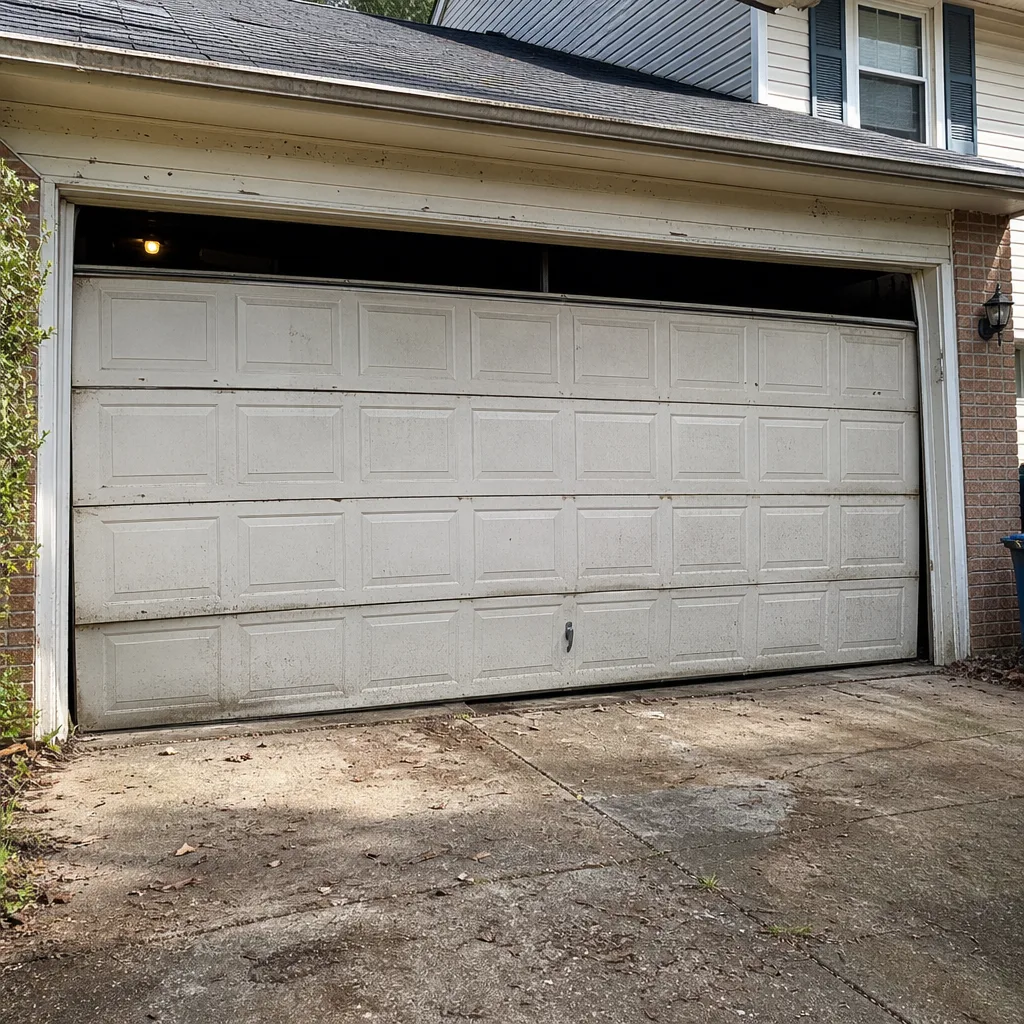 Before
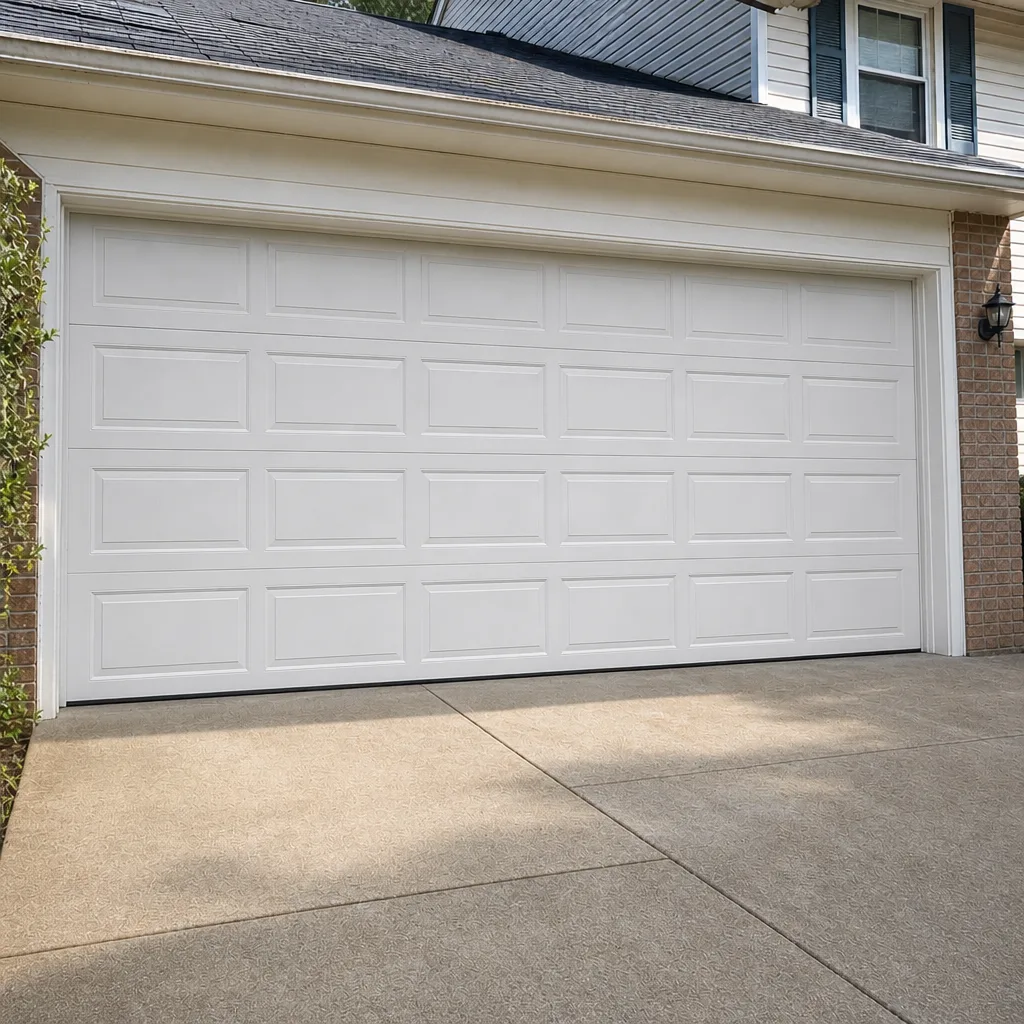 After
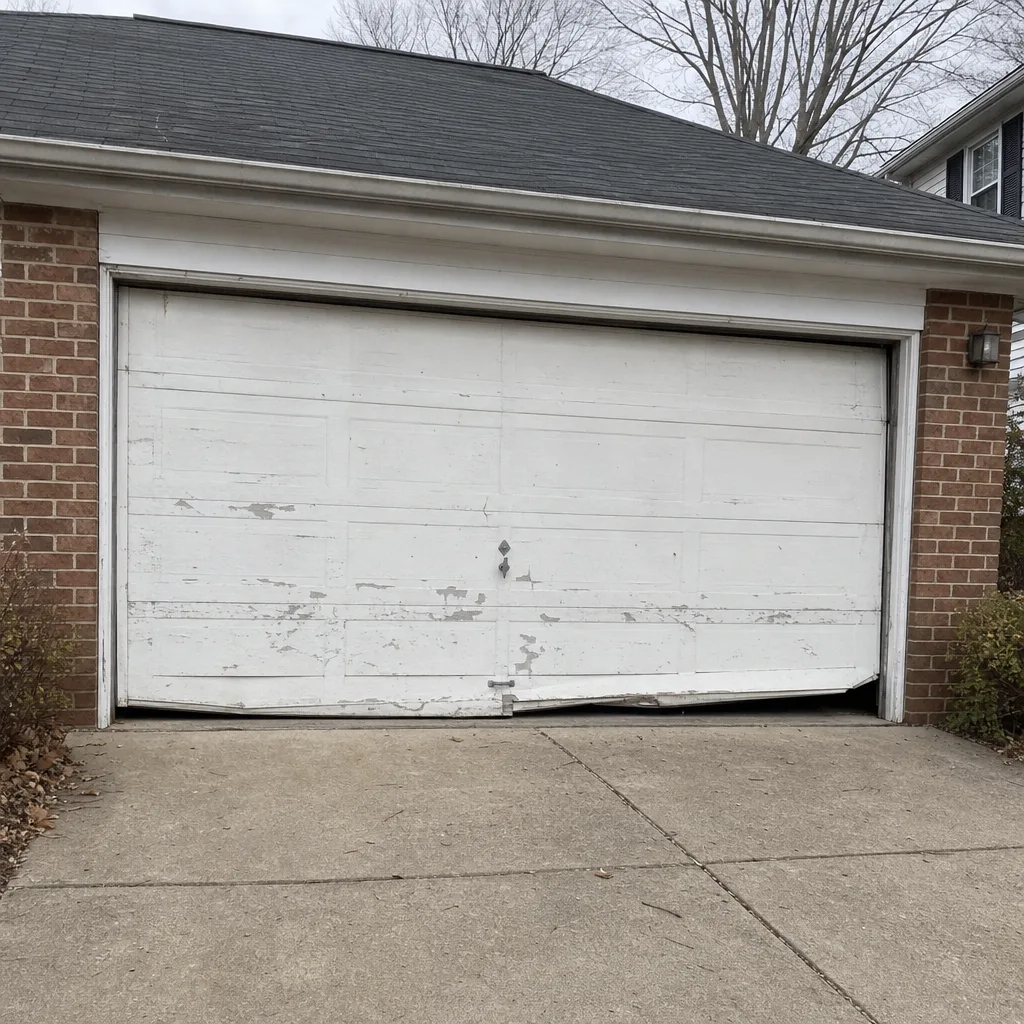 Before
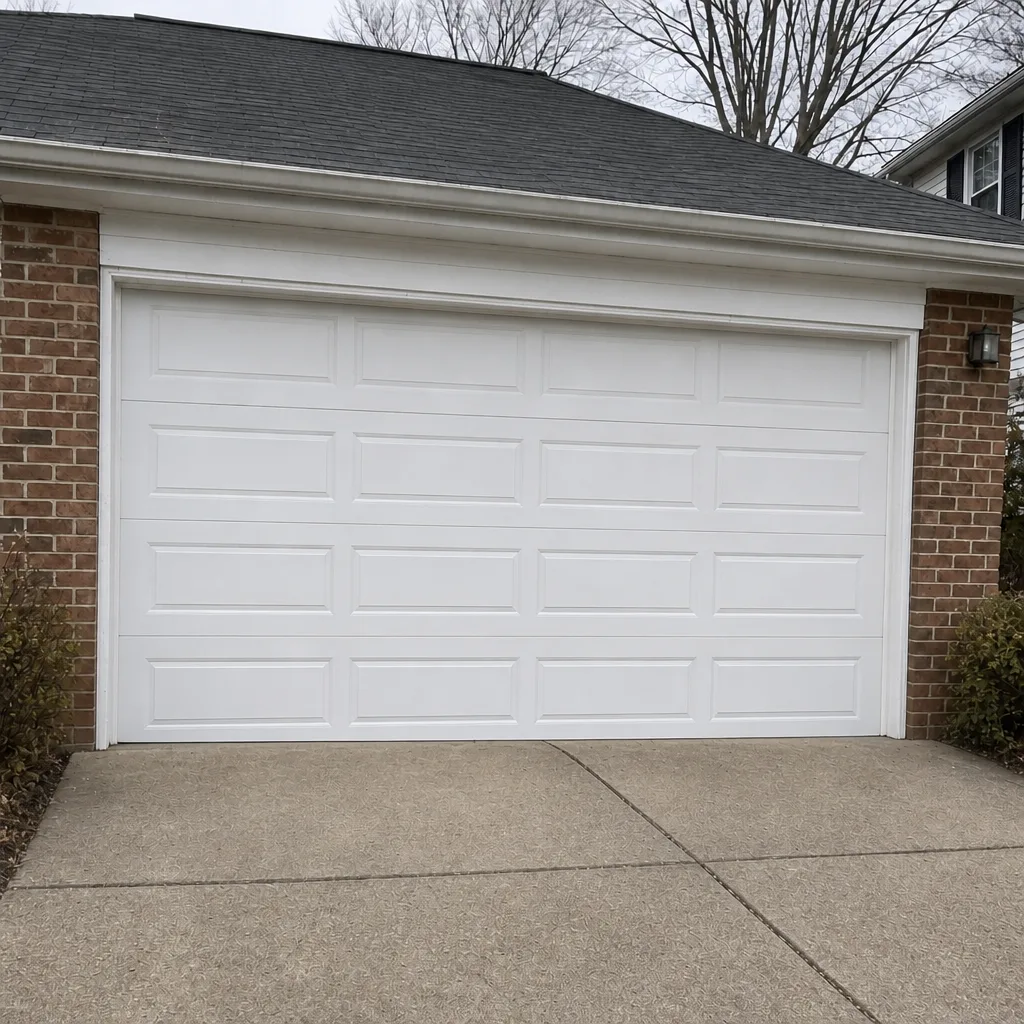 After
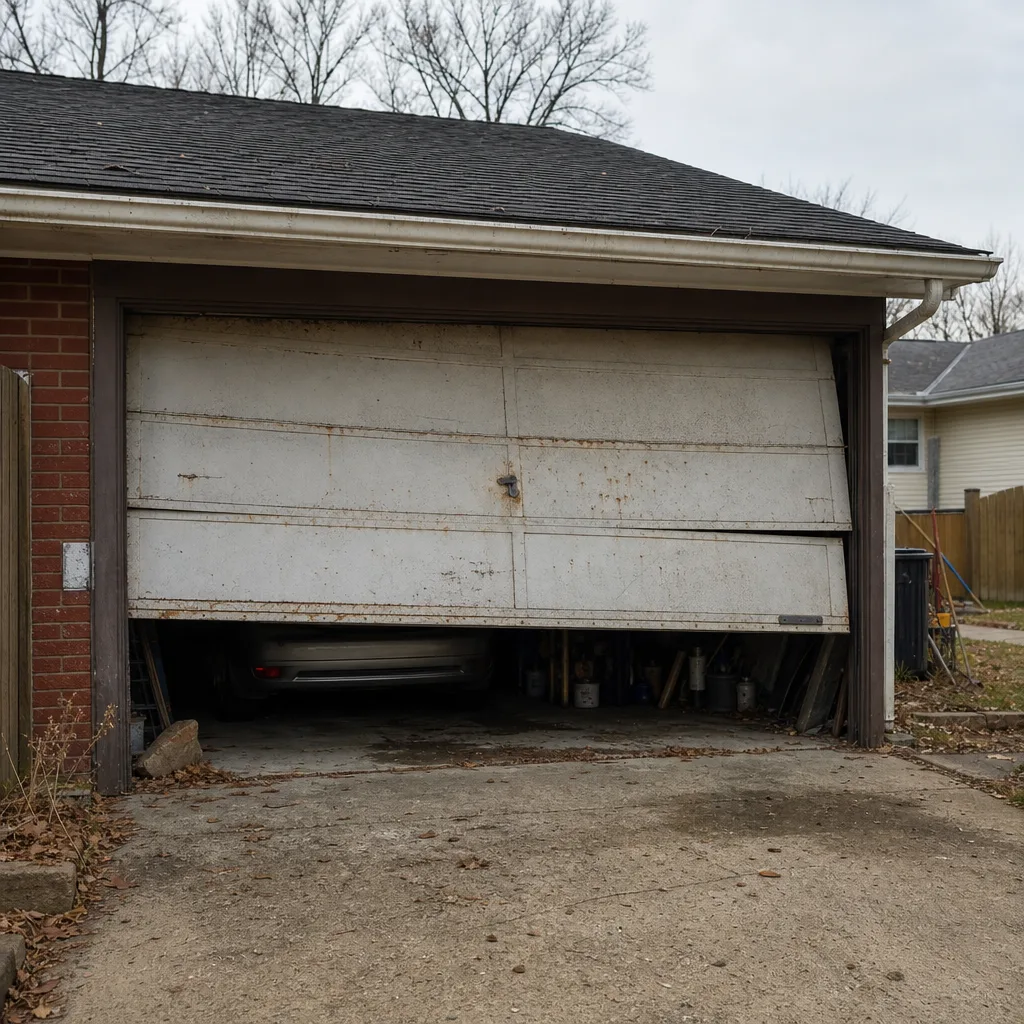 Before
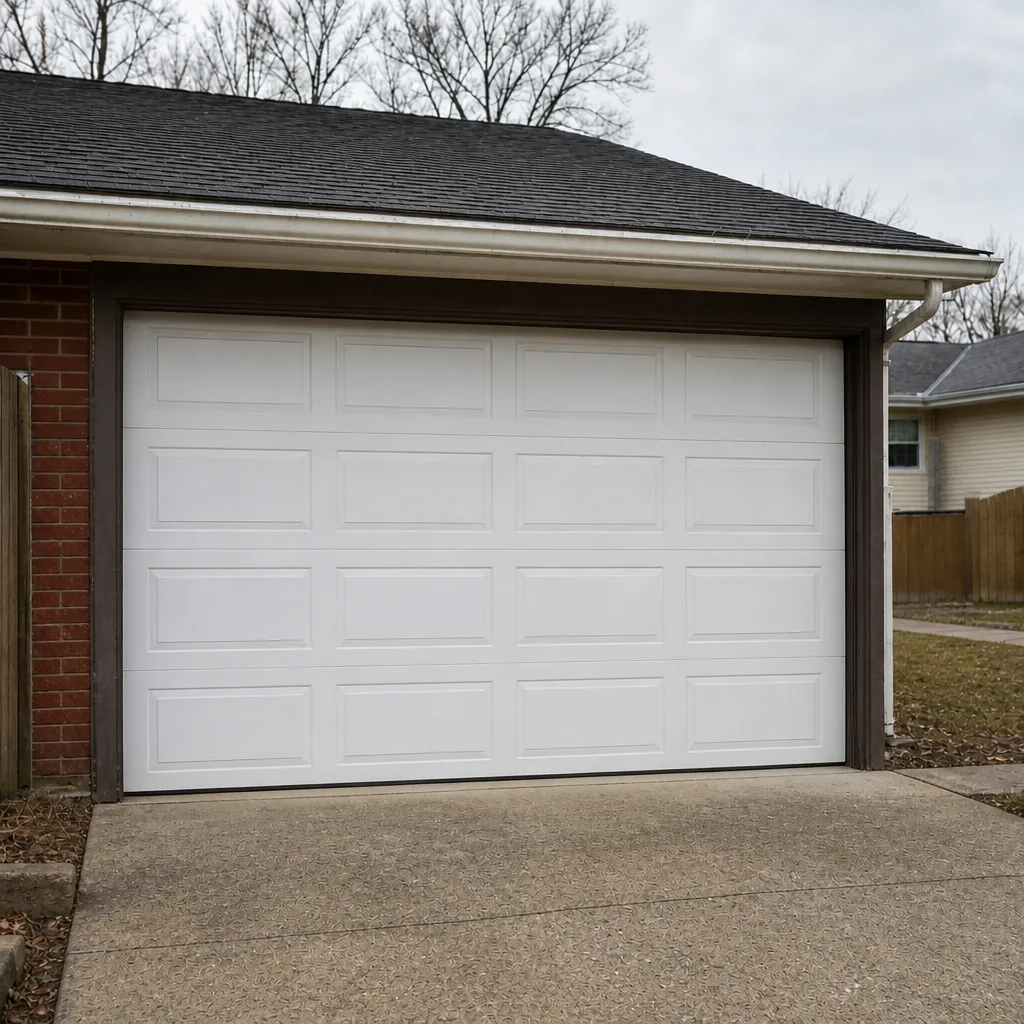 After
When to Call a Professional
Some issues are a nuisance; others are a safety matter. Call a professional when the door won’t open or close, when you see a broken spring, when the door comes down unevenly or reverses for no apparent reason, when the opener runs but the door doesn’t move, or when the door is loud, binding, or heavy to lift by hand. Those symptoms point to springs, cables, tracks, or opener electronics that need a trained eye. If it’s a full replacement or HOA-driven design change, the call is about measuring, ordering, and scheduling rather than a same-day fix.
Gaithersburg Garage Door Repair Pros offers free estimates in Gaithersburg – call (888) 891-0141. We answer 24/7. Fast dispatch from 7am to 7pm, Sunday through Friday. We work across the major brands found in this city’s homes, so the diagnosis starts with what you already own.
Frequently Asked Questions
Typical repair costs in Gaithersburg range from about $120 to $340 for a single spring or minor component fix, with opener repairs and cable replacements landing in similar territory. Full door replacements run higher, roughly $1,200 to $4,500 depending on size and insulation. The written estimate sets the final price. Call (888) 891-0141 for an exact quote – estimates are free.
Yes, same-day and emergency service is a standing offering for repair calls like broken springs, stuck doors, and opener failures. We answer 24/7, with fast dispatch from 7am to 7pm, Sunday through Friday. A call outside dispatch hours is booked into the next opening. Call (888) 891-0141 to get on the schedule.
No. The price is quoted and agreed before any work starts, so the estimate you approve is what you pay. If the technician finds something different from what was described, they’ll explain it and re-quote before continuing. Call (888) 891-0141 for a free estimate.
The local professional who performs the work is licensed and insured as their state requires. We connect you with vetted local professionals, and our technicians have up to 12 years of experience across the major door and opener brands. Call (888) 891-0141 to schedule.
It depends on your jurisdiction. A full door replacement often requires a permit, while a repair to an existing door usually does not. Call your city’s building department with the address and door size to confirm, and ask who pulls the permit if one is needed. For help deciding whether your job is a repair or replacement, call (888) 891-0141.
We work on LiftMaster, Chamberlain, Genie, Clopay, Amarr, Wayne Dalton, Craftsman, and Raynor products. Brand-specific diagnostics mean the technician knows the common failure patterns for your system before arrival, which shortens repair time and reduces return visits. Call (888) 891-0141 with your brand and door size to get started.
The Bottom Line
The garage doors in Gaithersburg are aging on a predictable schedule tied to when the city’s neighborhoods were built, and the fix is rarely a mystery once you know the era, the brand, and the symptom. Springs and openers are the two most common failure points. HOA rules in Lakelands and Kentlands and Maryland permit questions are the two biggest planning hurdles. Local costs sit above national averages, and a written estimate before work starts is the only number that counts. Spring work is genuinely dangerous and belongs to a trained professional. If your door is giving you trouble, start with a diagnosis. Call (888) 891-0141 for a free estimate. We answer 24/7, with fast dispatch from 7am to 7pm, Sunday through Friday.
Written by the team at Gaithersburg Garage Door Repair Pros.