
Last updated November 23, 2026
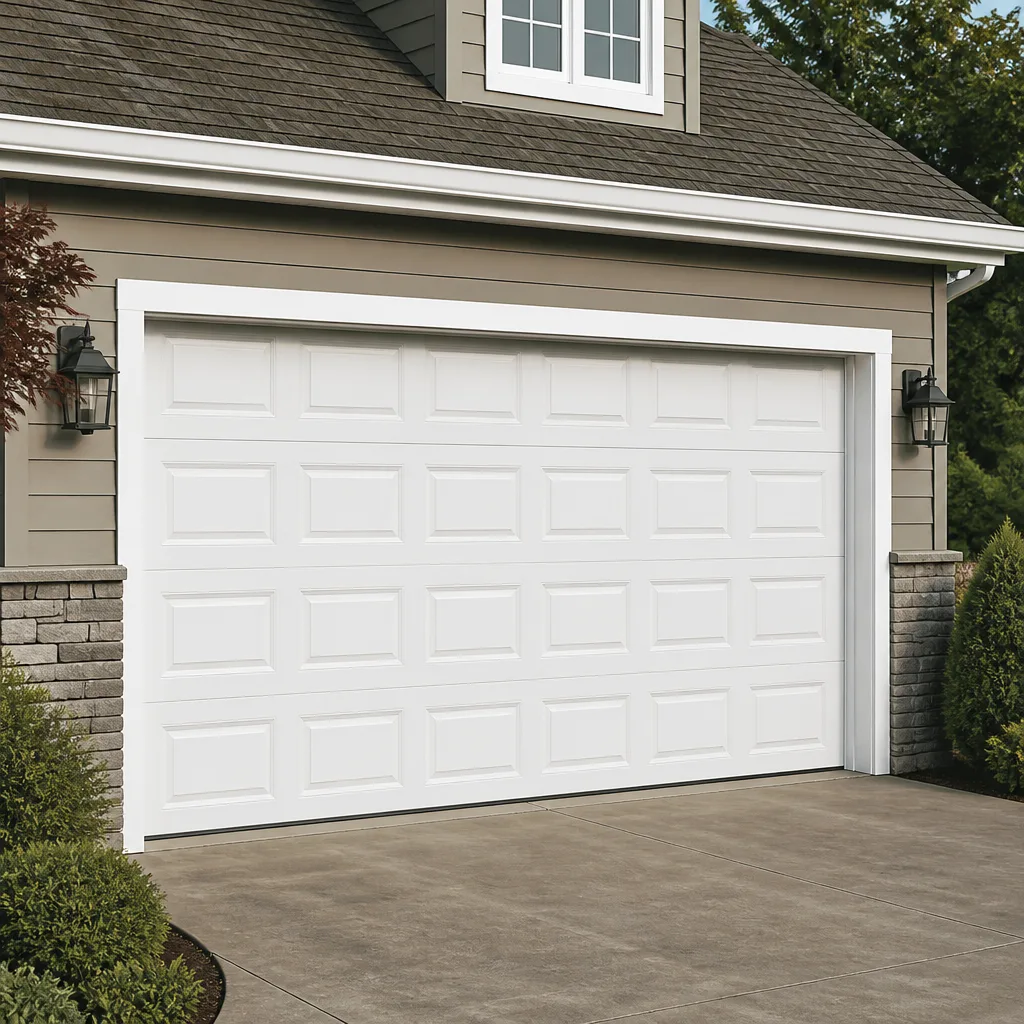 Raised-panel steel
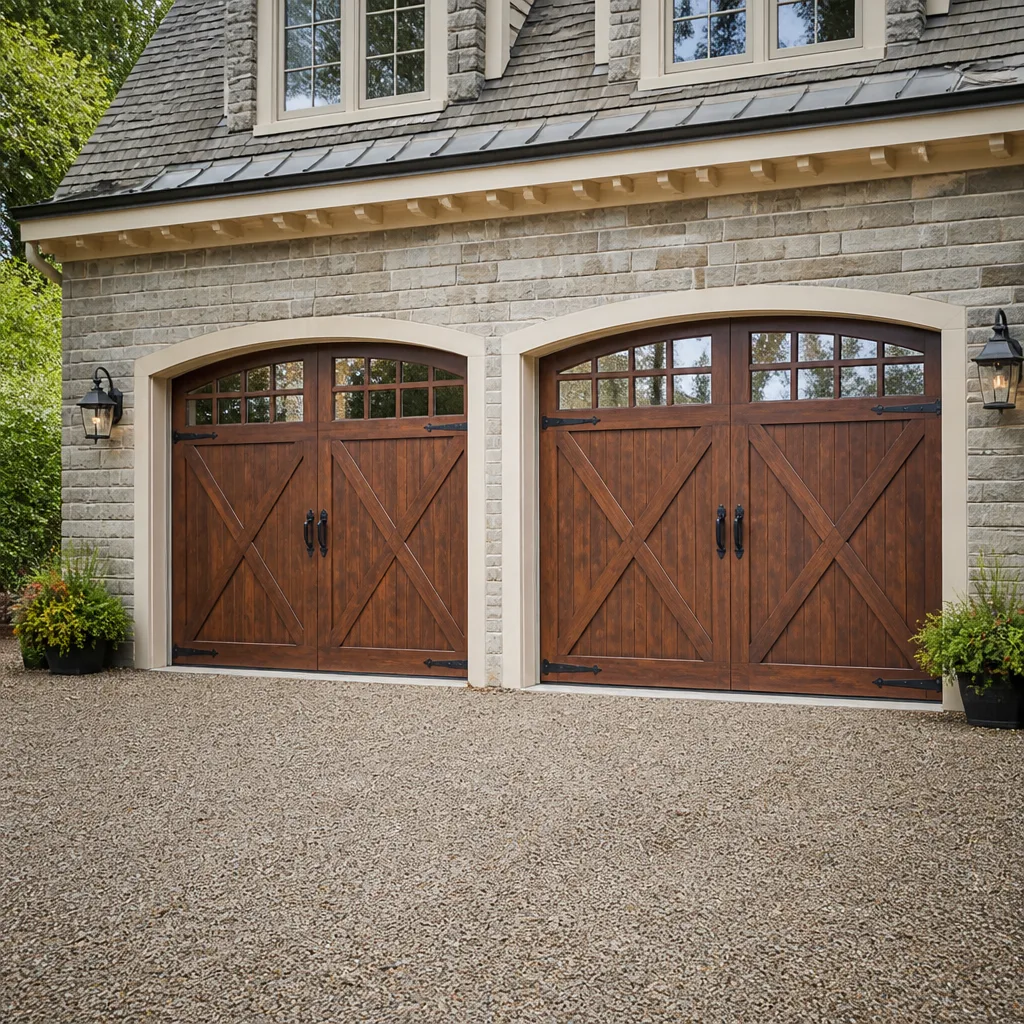 Carriage house
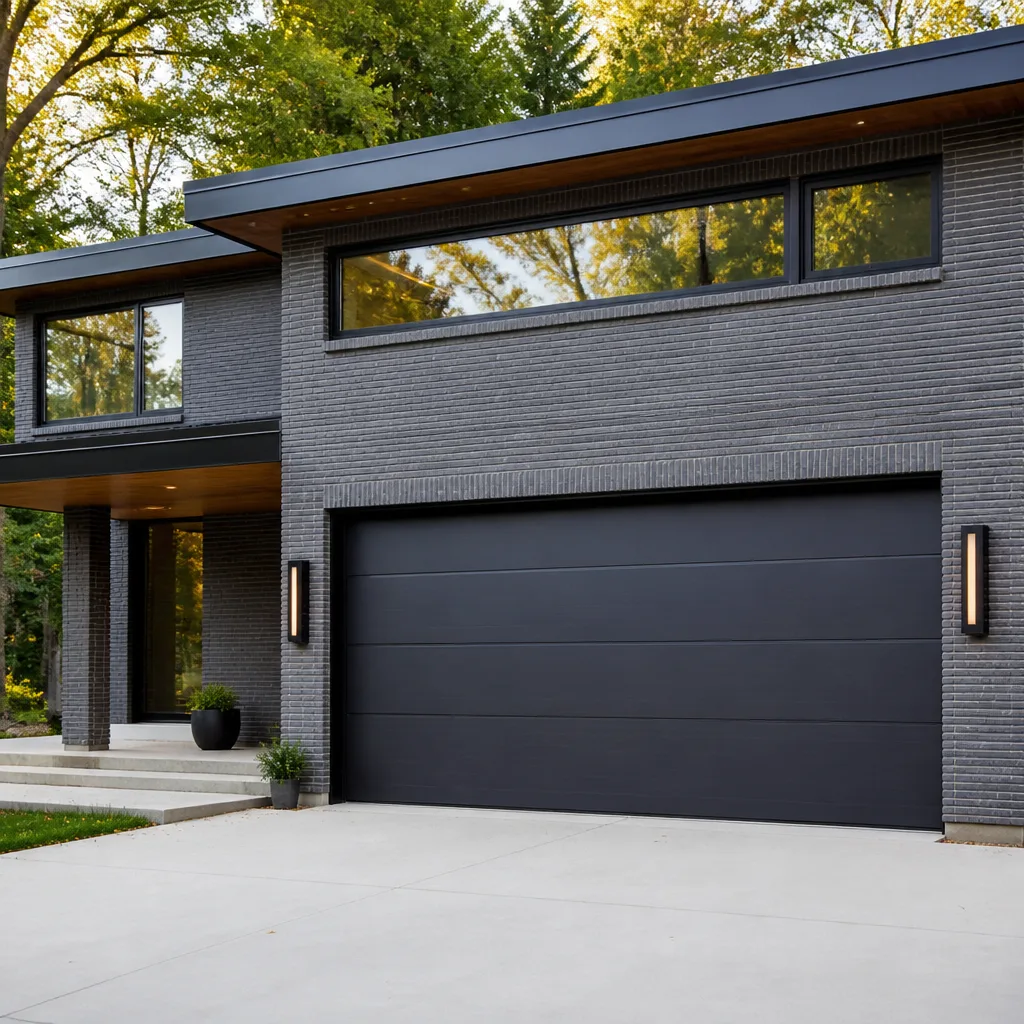 Modern flush
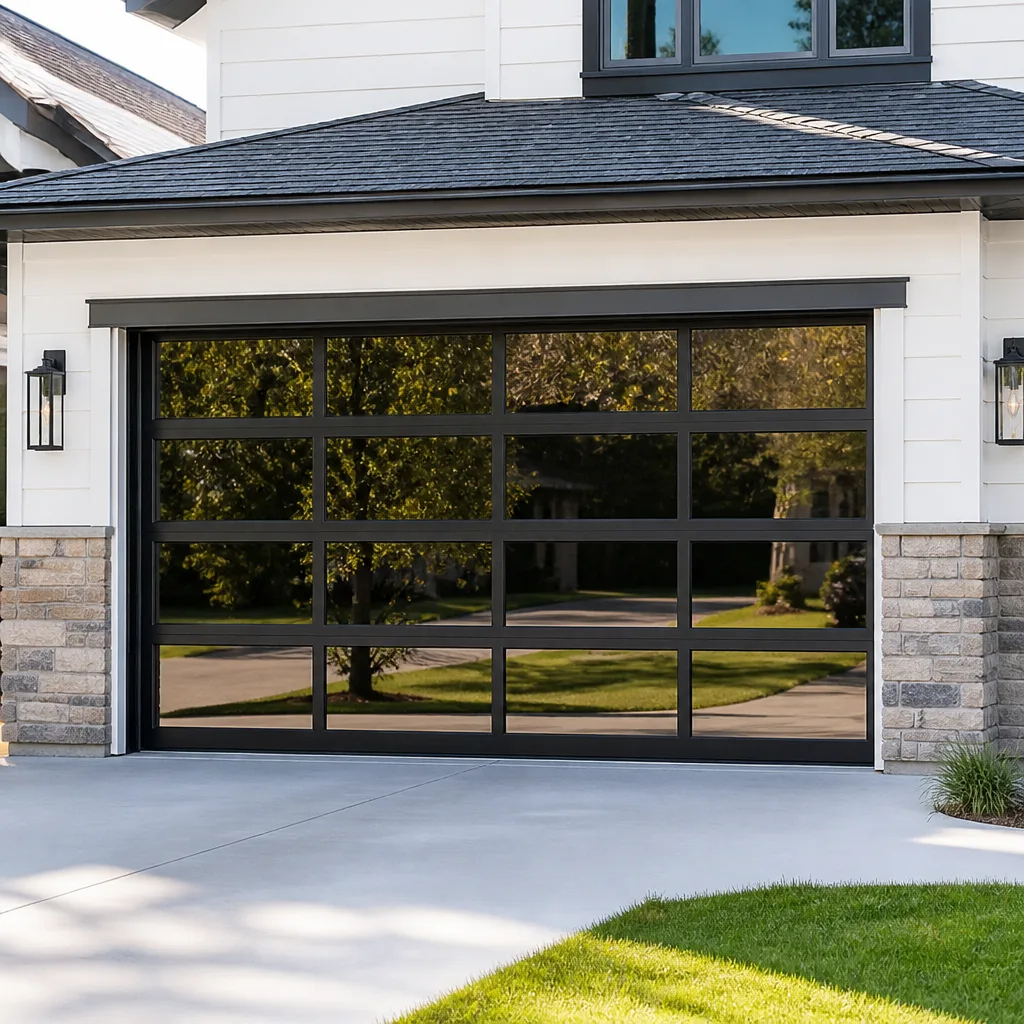 Full-view glass
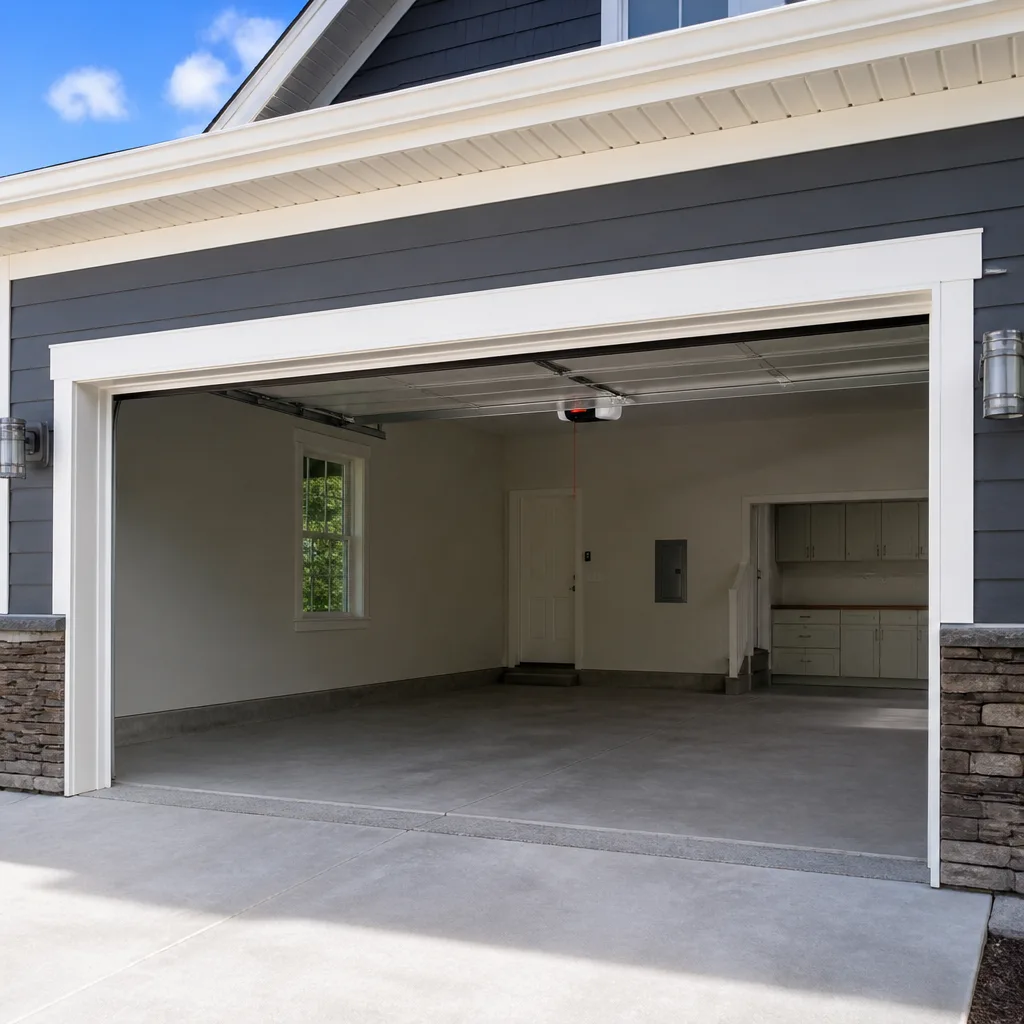 LiftMaster openers
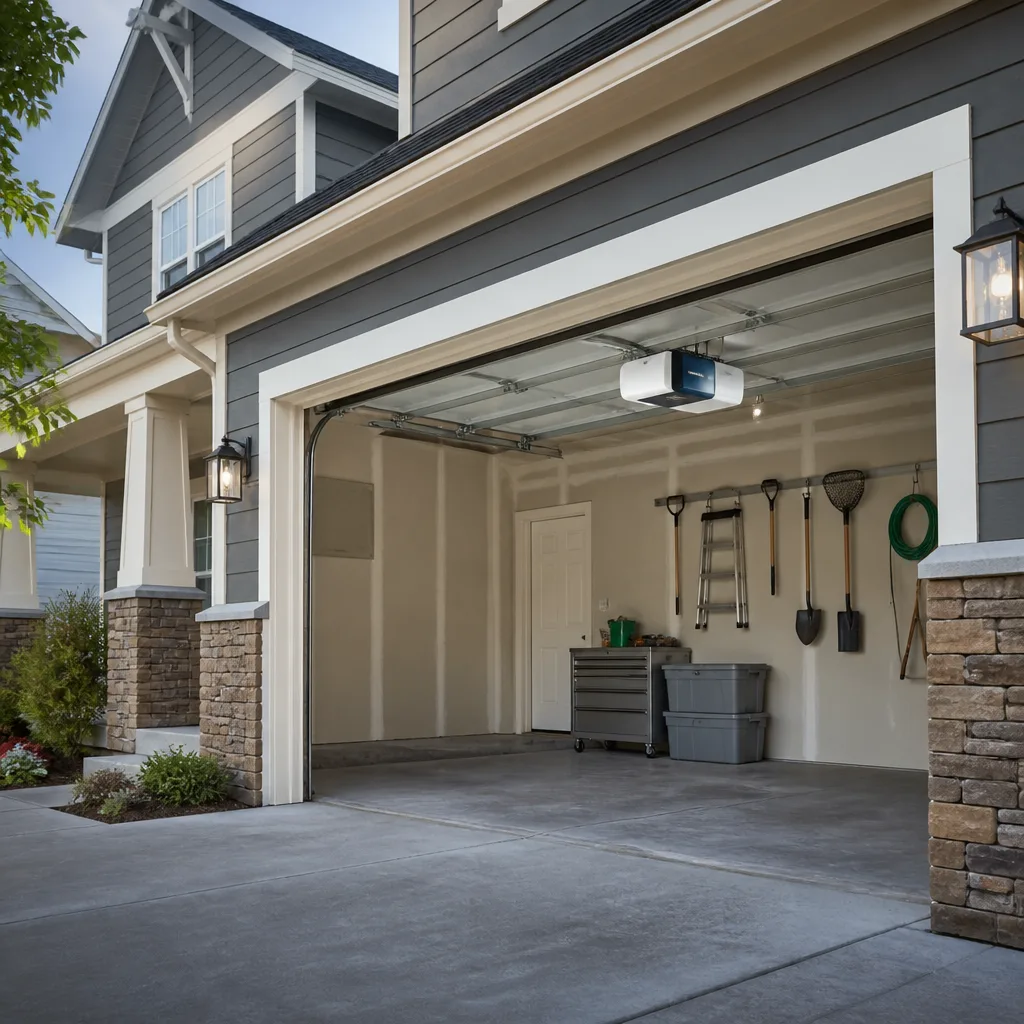 Chamberlain openers
Full 25-point door and opener safety check with every visit - springs, cables, rollers, tracks, and your LiftMaster or Chamberlain opener included
You get a price before we start. It does not change when the pro arrives.
Get your free estimateSeasonal Garage Door Care for Gaithersburg: Year-Round Homeowner’s Guide
Most homeowners think garage door trouble arrives with a thunderstorm. In Gaithersburg, the busiest stretch for emergency calls isn’t after a storm at all. It’s the first hard freeze of November, when springs that spent all summer under load finally give out in the cold. The pattern repeats every year: a door that felt fine in September stops lifting in December, and the repair is bigger than it needed to be. This guide walks through all four seasons the way they actually hit Gaithersburg homes, and shows you what to do at each point so a small adjustment now doesn’t turn into a snapped spring, a bent track, or a dead opener later.
Quick Answer
Garage door care in Gaithersburg runs on a seasonal rhythm: October is your most important month because you’re prepping springs, seals, and lubrication before the first freeze; winter is about protecting opener force settings and keeping the bottom seal from freezing to the floor; spring is for inspecting what the freeze-thaw cycle did to tracks, rollers, and brackets; and summer is about humidity swelling on wood doors and heat on opener electronics. Do the right task in the right month and you avoid the most expensive repair of the year, which is almost always a spring that failed in the cold.
Styles & brands we work with
- Raised-panel steel
- Carriage house
- Modern flush
- Full-view glass
- LiftMaster openers
- Chamberlain openers
Table of Contents
- Why Gaithersburg’s Four Seasons Matter for Your Garage Door
- Fall: Why October Is the Most Important Month
- Winter: Cold, Freeze-Ups, and Opener Force Settings
- Spring: Post-Winter Inspection Priorities
- Summer: Humidity, Heat, and Opener Electronics
- The One-Page Seasonal Calendar
- Common Mistakes to Avoid
- When to Call a Professional
- Frequently Asked Questions
Why Gaithersburg’s Four Seasons Matter for Your Garage Door
Gaithersburg sits in a part of Maryland that gets a real version of every season. That’s not just weather trivia. Each season loads the door in a different way, which means the failure you see in February was usually set up in November, and the failure you see in June was often set up in March. A garage door is a balanced mechanical system: torsion or extension springs carry the door’s weight, the opener does the lifting, and the tracks and rollers keep everything aligned. Change the temperature by forty degrees and every one of those parts responds differently.
Metal contracts in the cold and expands in the heat. Wood moves with humidity. Grease thickens when it’s cold and thins when it’s hot. Rubber seals stiffen, then soften, then crack. Your opener’s force settings, which tell the motor how hard to push, are calibrated to a certain range of resistance, and that range shifts with the seasons whether you notice or not.
Homeowners who avoid the expensive repairs aren’t doing anything complicated. They’re just doing the right task at the right time instead of once a year. That’s the entire idea behind this guide. If you take away one thing from reading it, take this: seasonal garage door care in Gaithersburg is a four-part job, not a single spring cleaning. Treat it that way and the door behaves.
This is also where brand matters a little. A Clopay steel door and a Wayne Dalton wood-composite door age differently in the same climate, and a Craftsman opener handles cold-morning resistance differently than a newer LiftMaster unit. That’s why we diagnose by brand rather than assuming every door fails the same way. For anything that needs hands-on attention right now, our Gaithersburg Garage Door Repair Pros team works on the brand you already own.
Fall: Why October Is the Most Important Month
If you do only one season of maintenance, make it fall. October is when you’re still ahead of the first hard freeze, which means it’s the last cheap window before the year’s most expensive failure. A spring that’s been slowly losing tension through the summer doesn’t announce itself. It just snaps one cold morning when the metal contracts and the load shifts. Inspecting and adjusting in October is how you avoid that call.
Here’s what fall prep actually involves:
- Check spring tension and balance. Disconnect the opener (pull the release handle) and lift the door halfway by hand. A balanced door should stay put. If it drifts down on its own or feels heavy at the bottom, the springs are losing tension and need professional attention before the cold arrives.
- Inspect and reseal the bottom weatherstripping. A cracked or flattened bottom seal lets cold air, moisture, and pests in, and it’s the part that freezes to the floor in January. Replace it now while the weather is mild.
- Lubricate for cold weather. Use a silicone-based or lithium grease rated for low temperatures, not a heavy general-purpose oil that thickens below freezing. Apply to hinges, rollers, and the torsion bar bearings.
- Tighten hardware. Roller brackets, hinges, and track bolts loosen over a summer of vibration. A quick pass with a wrench now prevents a rattle that turns into a misaligned track.
- Test the safety reverse. Place a piece of wood flat on the floor in the door’s path and close it. The door should reverse on contact. If it doesn’t, the opener needs adjustment before winter.
This is the month to catch the small stuff. A worn roller or a loose bracket is a minor fix in October and a bent track in December. If your door is a wood or composite model, this is also the time to check the finish on the bottom rails and edges, since those take the most weather.
Winter: Cold, Freeze-Ups, and Opener Force Settings
Winter is when the door works hardest and the opener works hardest with it. Two things go wrong most often in the cold: a door that freezes to the floor seal, and an opener that strains because its force settings no longer match the resistance. Understanding both is the difference between a five-minute fix and a burned-out motor.
Why doors freeze to the floor. Meltwater runs down the door and pools at the bottom seal. Overnight it freezes and bonds the rubber to the concrete. The next morning the opener tries to lift a door that’s stuck to the ground, and the motor either strains, reverses, or strips the gear. What not to do: don’t keep hitting the button hoping it breaks free, and don’t pull the manual release and yank the door up by hand. Both can damage the opener or the door. Instead, free the seal gently with warm (not boiling) water along the bottom edge, and once it’s open, dry the seal and apply a silicone spray so it doesn’t rebond.
Why opener force settings drift. Cold thickens grease and stiffens seals, so the door needs more force to move than it did in September. Modern openers (LiftMaster and Chamberlain among them) measure resistance and adjust, but older units have a fixed force setting. If yours keeps reversing partway up on cold mornings, that’s usually a force-setting issue, not a failing motor. It’s worth having it checked rather than cranking the force up yourself, because raising it too high defeats the safety reverse.
- Keep the bottom seal dry and silicone-treated through the cold months.
- Clear snow and ice from the door’s path, not just the driveway apron.
- Listen for a grinding or straining sound on the first cold morning; it’s an early warning.
- Don’t lubricate with heavy oil in winter. It thickens and adds resistance.
We get more calls in the first cold snap of November than any other week of the year, and most of them trace back to something that could have been handled in October. If your door won’t lift on a cold morning, garage door repair is a same-day service for us. We answer 24/7 and dispatch from 7am to 7pm, Sunday through Friday.
Spring: Post-Winter Inspection Priorities
Spring is recovery season. The freeze-thaw cycle is the quiet culprit here: water gets into a crack, freezes, expands, and widens the crack, then thaws and repeats. Over a Maryland winter that cycle can loosen a bottom bracket, misalign a track, or flat-spot a roller without the door ever looking wrong from the outside. A spring inspection catches what winter did before it turns into a summer breakdown.
Priorities, in order:
- Tracks. Look for bends, dents, or places where the track is no longer plumb. A track that shifted over the winter will make the door rub and can eventually pop a roller out. Don’t try to force a bent track back with a hammer; it needs a proper adjustment.
- Rollers. Worn or flat-spotted nylon rollers are the most common cause of a noisy or jerky door after winter. They’re inexpensive to replace and they quiet the whole system.
- Bottom brackets and cables. These carry the door’s tension at the bottom corners and take the most freeze-thaw abuse. Inspect for rust, fraying, or slack. Cables under tension are dangerous and should only be handled by a trained technician.
- Springs. Look for a visible gap in a torsion spring, or a stretched or sagging extension spring. Any of these means the spring is failing and should be replaced before it fails completely.
- Seals and thresholds. Winter takes a toll on the bottom seal and the threshold. Check for cracking or gaps.
Spring is also a good time to run a full balance test again if you skipped it in fall. If the door feels heavy or won’t stay halfway up, the springs need attention. This is exactly the kind of work that falls under garage door spring repair and it’s worth doing properly, because high-tension springs are one of the few parts of a garage door where a mistake can genuinely injure someone. More on that below.
Summer: Humidity, Heat, and Opener Electronics
Summer problems look different from winter ones. Where winter stresses the springs and the opener’s cold-weather performance, summer stresses wood, electronics, and the door’s fit. Two main culprits: humidity and heat.
Humidity and wood doors. A wood or wood-composite door absorbs moisture in the humid Maryland summer and swells. That swelling can bind the door in its frame, make it harder for the opener to lift, and warp panels over time. If your door is a wood model, watch for sticking at the edges and rubbing at the top. A fresh seal or a check of the door’s finish on the bottom edges helps it shed moisture. Amarr and Clopay both make composite and steel-backed doors that resist swelling better than solid wood, but any door with wood components needs a look in the summer.
Heat and opener electronics. The garage gets hotter than the house, and the opener’s circuit board and motor sit right in that heat. Warm electronics are more prone to intermittent faults, and a unit that ran fine in spring may start behaving oddly in a July heat wave. Symptoms to watch: the door stops partway, the remote stops working intermittently, or the opener hums without moving. A Craftsman or Genie unit with a few years on it is more likely to show heat-related quirks than a newer LiftMaster or Chamberlain. Ventilation helps: a cracked window or a small vent keeps the garage from becoming an oven and gives the electronics a break.
- Check wood doors for swelling and sticking at the edges in humid months.
- Keep the garage ventilated to reduce heat buildup on the opener.
- Watch for intermittent opener behavior in heat waves; note when it happens.
- Test the safety reverse again in summer, since heat can affect the opener’s sensor calibration.
If your opener is misbehaving in the heat, our garage door opener repair team diagnoses by brand, which means we go straight to the known failure points for your specific unit instead of guessing.
The One-Page Seasonal Calendar
Here’s the whole guide in one glance. Print this and stick it on the garage wall, or set reminders for the start of each month listed. The point is to match the task to the season, so you’re always working ahead of the failure rather than chasing it.
- September: Balance test and full hardware check. Tighten loose bolts.
- October: The big one. Check spring tension, replace bottom weatherstripping, lubricate with cold-rated silicone or lithium grease, test safety reverse.
- November: Prep for freeze. Dry and silicone-treat the bottom seal. Watch the first cold morning for strain sounds.
- December through February: Keep the door path clear of ice. Watch for freezing to the floor. Note any opener strain or reversing on cold mornings.
- March: Post-winter inspection. Check tracks, rollers, bottom brackets, and springs.
- April: Replace worn rollers. Re-run the balance test. Check seals and thresholds.
- May: Full lubrication. Check opener force settings before the heat arrives.
- June through August: Watch for humidity swelling on wood doors. Keep the garage ventilated. Note any heat-related opener faults.
If you only have time for three checks a year, make them October, March, and June. Those three months catch the spring failure before winter, the winter damage before summer, and the summer humidity before fall. Everything else is refinement.
Common Mistakes to Avoid
- Doing maintenance only in spring. By spring, the winter damage is already done. Fall prep is what prevents it. Homeowners who only clean up in March spend more on repairs than those who prep in October.
- Using heavy oil in cold weather. A general-purpose oil thickens below freezing and makes the opener work harder. Use a cold-rated silicone or lithium grease for winter lubrication.
- Forcing a frozen door open. Hitting the button repeatedly or yanking the door by hand when it’s frozen to the floor can strip the opener gear or bend a panel. Free the seal gently first.
- Cranking up opener force to fix a strain. Raising the force setting hides the problem and defeats the safety reverse. If the door strains in the cold, the fix is the door, not the force dial.
- Ignoring a drifty or heavy door. A door that won’t stay halfway up is telling you the springs are losing tension. Waiting until it snaps is the expensive path.
- Treating wood doors like steel doors. Wood swells in Maryland humidity and needs a finish check and a look at the bottom edges each summer. Steel and composite doors don’t swell, so a single plan for both misses the point.
- Trying to adjust springs or cables yourself. Torsion and extension springs are under high tension even when the door is down, and a mistake can cause serious injury. This is the one part of the system that’s a professional job, every time.
See the difference
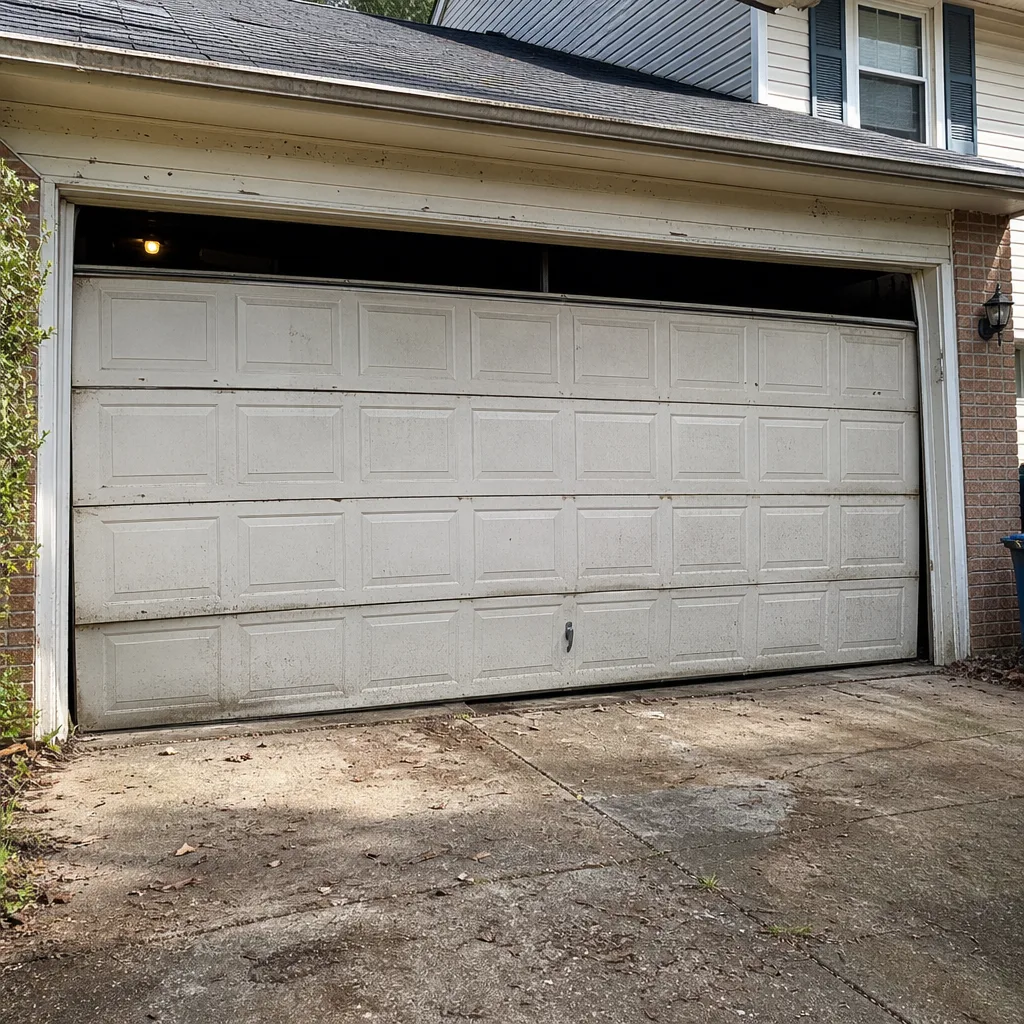 Before
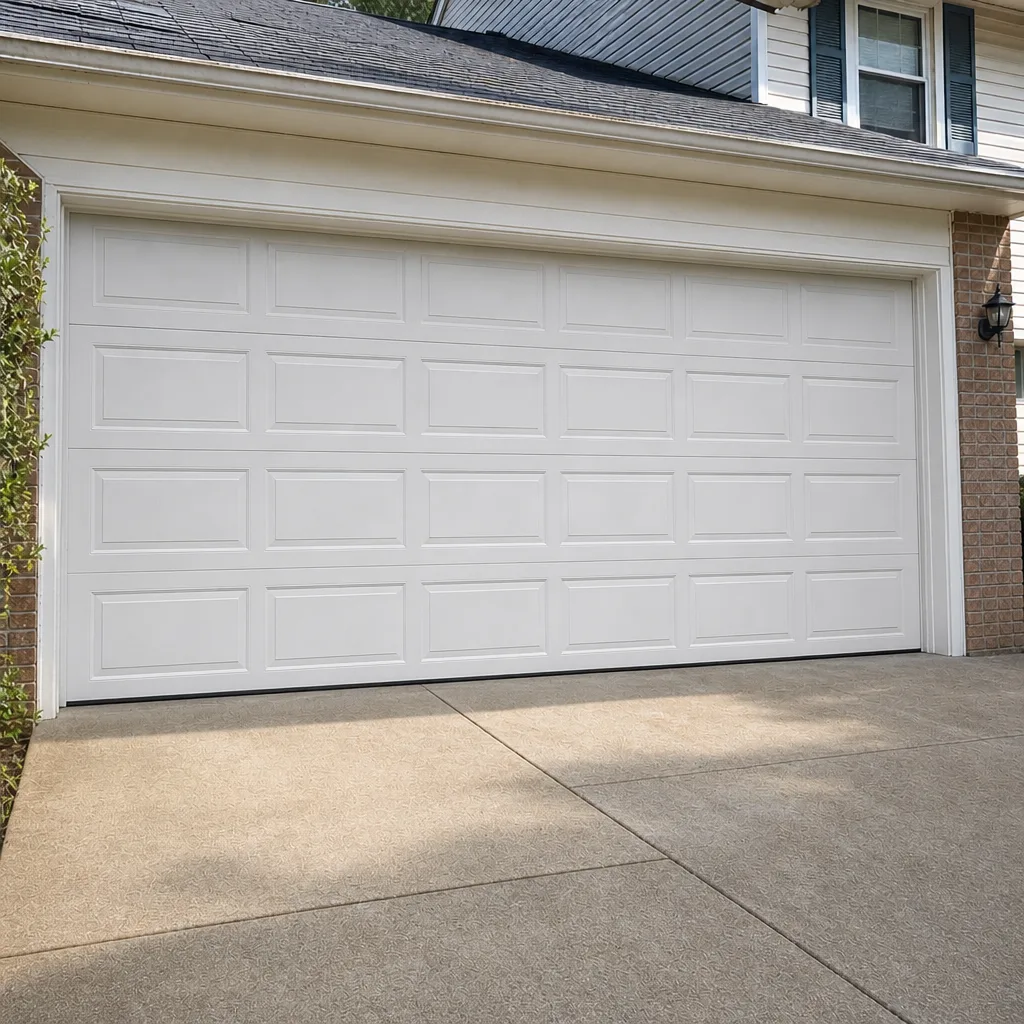 After
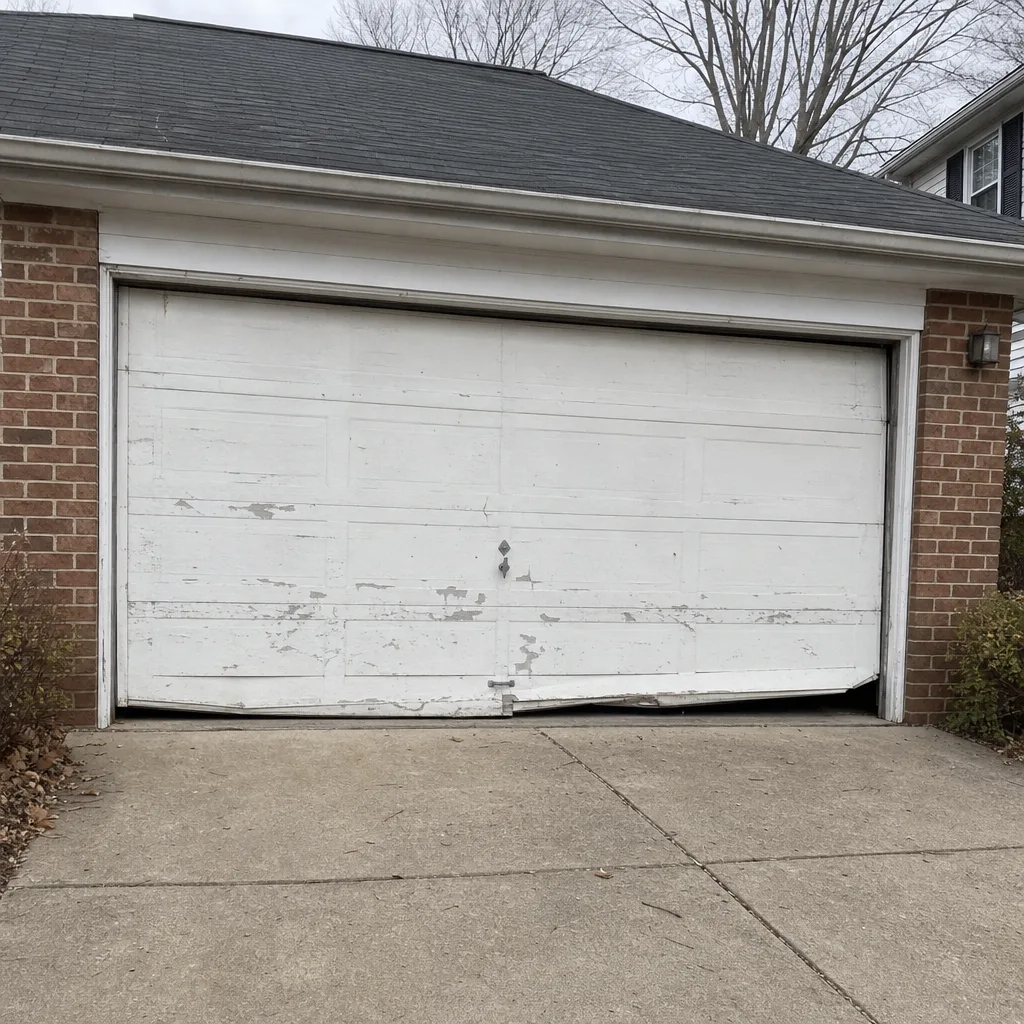 Before
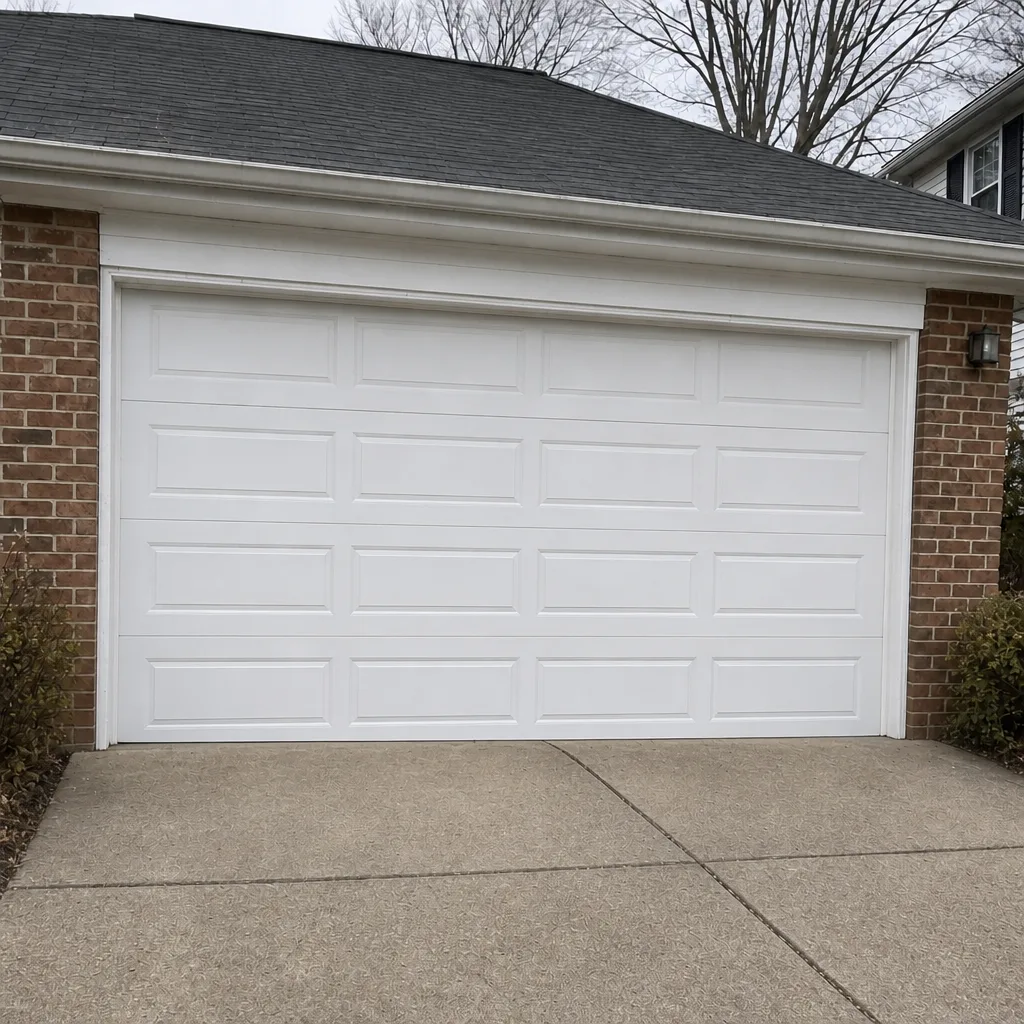 After
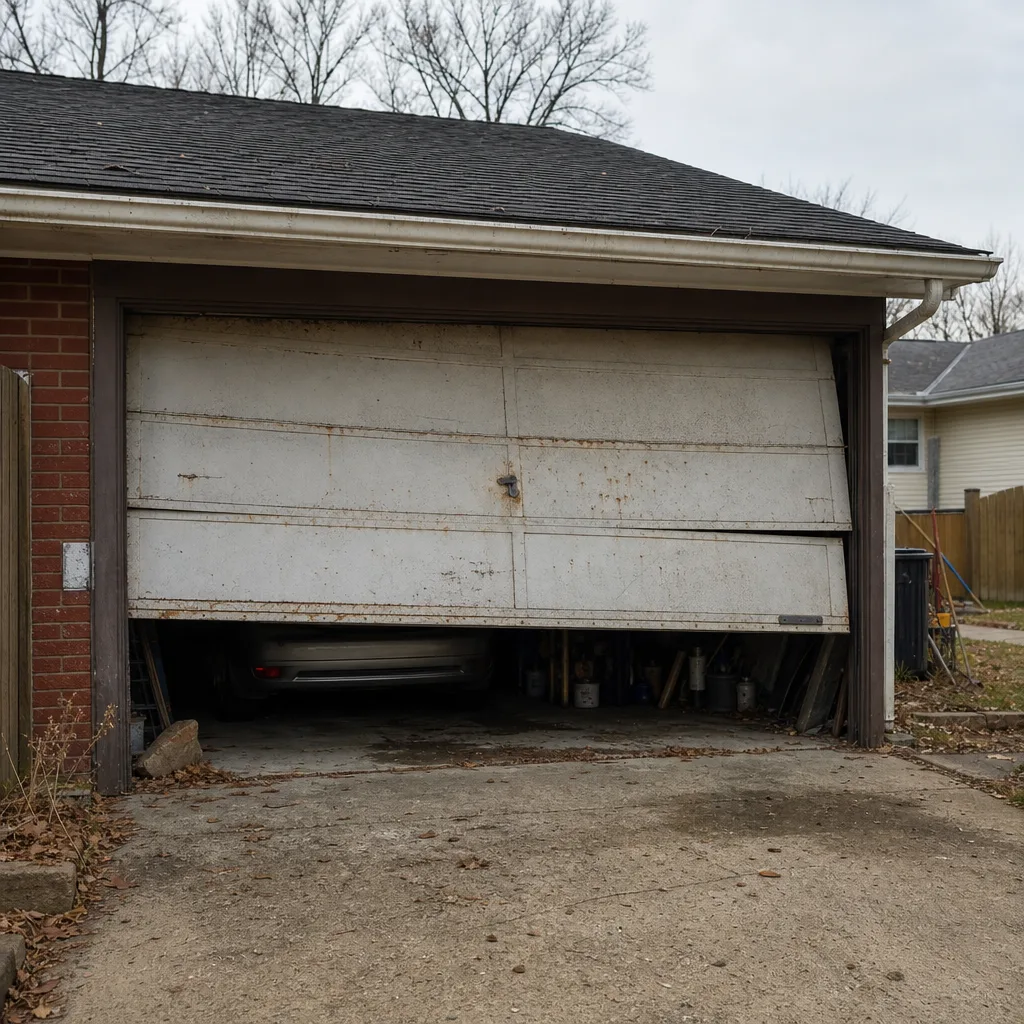 Before
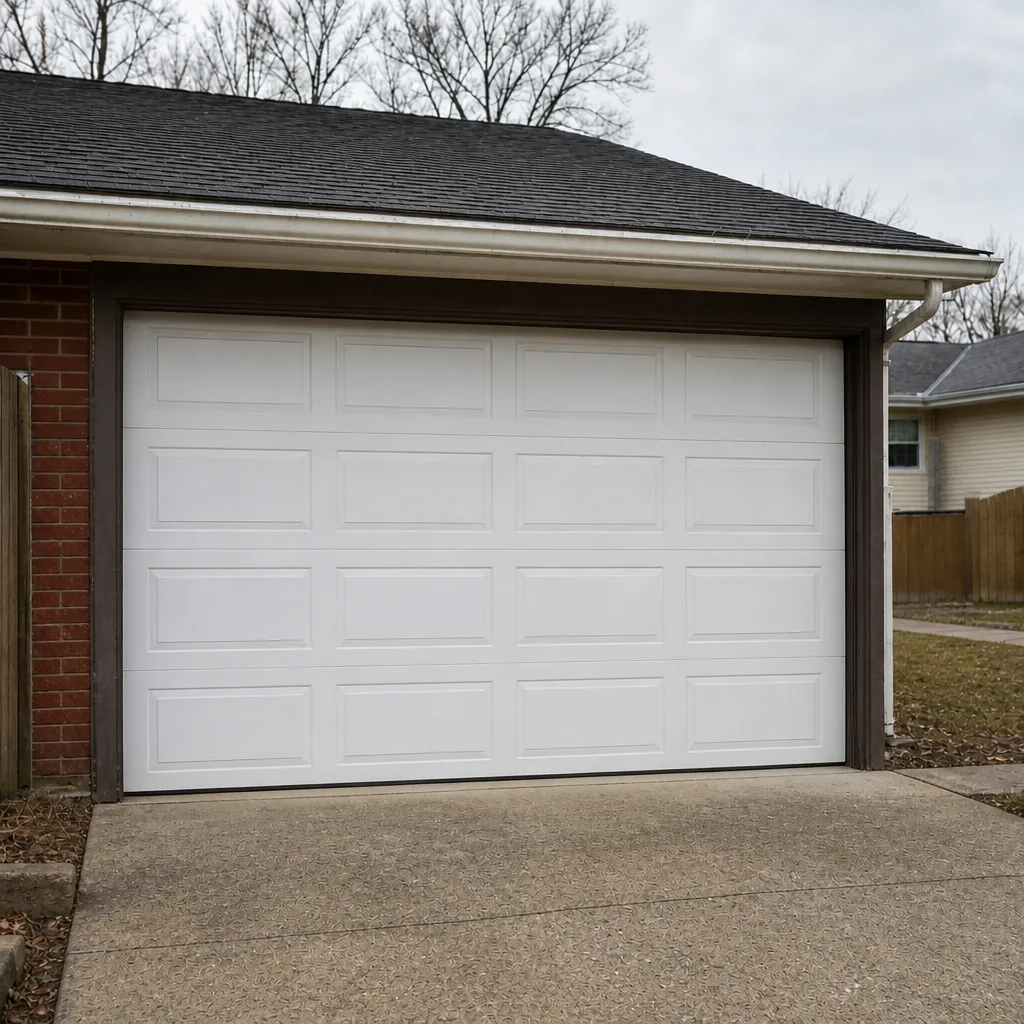 After
When to Call a Professional
Some seasonal care you can handle yourself: checking a balance, tightening a bracket, spraying a seal. But several situations call for a trained technician, and quick. Call us if the door won’t stay halfway up, if you see a gap in a torsion spring or a sagging extension spring, if the door is frozen and won’t free, if the opener reverses on its own, or if you see a bent track or a frayed cable. Those aren’t tasks to put off, because each one tends to get worse fast. Spring and cable work in particular is high-tension and dangerous; we handle it as an advertised specialty, and many general handymen won’t touch it for exactly that reason. Gaithersburg Garage Door Repair Pros offers free estimates in Gaithersburg, with fast dispatch from 7am to 7pm, Sunday through Friday. Call (888) 891-0141. We answer 24/7.
Frequently Asked Questions
October is the most important month. It’s your last window before the first hard freeze to catch a spring that’s losing tension, replace worn weatherstripping, and lubricate with a cold-rated product. A spring that fails in the cold is the year’s most expensive garage door repair, and October is when you prevent it. Call (888) 891-0141 for a free estimate if you’d rather have us check it.
Meltwater runs down the door and pools at the bottom seal, then freezes overnight and bonds the rubber to the concrete. Don’t hit the button repeatedly to break it free; that strains the opener. Free the seal gently with warm water along the bottom edge, dry it, and apply a silicone spray so it doesn’t rebond. If it keeps happening, the bottom seal likely needs replacing, and we can quote that for free.
Usually not. Cold thickens grease and stiffens seals, so the door needs more force to move, and the opener senses that as resistance and reverses for safety. That’s a force-setting or lubrication issue, not a dead motor. Have it checked rather than cranking the force up yourself, since too much force defeats the safety reverse. Call (888) 891-0141 and we’ll diagnose it.
Yes. Spring is inspection season because the freeze-thaw cycle loosens bottom brackets, misaligns tracks, and flat-spots rollers. Check tracks for bends, look for worn rollers, and run a balance test. Cables and springs under tension should only be inspected by a technician, so leave those to us. Estimates are free.
Humidity makes wood and wood-composite doors absorb moisture and swell, so they bind in the frame and rub at the edges. Check the bottom edges and finish each summer, and keep the garage ventilated. Steel and composite doors from brands like Amarr and Clopay resist swelling better, but any door with wood components needs a summer look. Call (888) 891-0141 if the door is binding badly.
No. Torsion and extension springs are under high tension even when the door is closed, and a mistake can cause serious injury. Seasonal care for springs means inspecting for a gap or sag and calling a professional, not adjusting them yourself. Spring repair is a core specialty here. Call (888) 891-0141 for a free estimate.
The Bottom Line
Garage door care in Gaithersburg works best as a seasonal rhythm, not a single annual chore. Prep springs, seals, and lubrication in October before the first freeze. Protect the bottom seal and watch opener force settings through winter. Inspect tracks, rollers, and brackets in spring after the freeze-thaw cycle. Watch wood swelling and opener heat in summer. Do those four things in the right months and you avoid the expensive cold-weather spring failure that drives most of our November calls. And for anything involving springs or cables, don’t take chances. Call (888) 891-0141. We answer 24/7, with fast dispatch from 7am to 7pm, Sunday through Friday, and free estimates.
Written by the team at Gaithersburg Garage Door Repair Pros.